

Travel Organization Tips for Aviation Professionals
Time is tight, margins are small, and attention to detail keeps aircraft on schedule and crews rested. For aviation professionals—pilots, flight attendants, mechanics, and ground staff—efficient travel organization is not a luxury; it’s operational risk management and crew welfare rolled into one.
This post gives practical, airline-ready strategies to organize gear, documents, tools, and rest items so you arrive prepared, compliant, and ready to perform.
Plan the Kit: Distinguish Essentials from Extras
Start by identifying immutable items (IDs, licenses, manuals, minimum safety gear) and role-specific tools or comfort items. Keep a master packing list that you update after each trip. Use modular packing—separate pockets or pouches for documentation, electronics, medical items, and tools—so you can swap entire modules between trips instead of repacking everything.
Optimize Crew Rest and Quick Recovery
Sleep and micro-rest matter. Pack compact items that reliably improve rest quality and are easy to stow—low-bulk, high-impact choices. A molded memory-neck pillow reduces cervical strain on short naps; consider airline-grade options that compress for carry-on storage. For crew who value uninterrupted rest, include a dedicated sleep kit with blackout and comfort items such as a high-quality Sleep Masks for Crew Travel and a travel neck support like those in the Travel Neck Pillows category.
Carry-On Layout: Pack by Use, Not by Item
Design your carry-on so the first things you need are the easiest to access. Documents and IDs go in a top-access sleeve. Electronics and chargers in a middle pouch. Snacks, hygiene, and last-minute items in a front pocket. For cabin-facing crew, a lightweight organizer for the seatback or galley keeps service items tidy—consider compact Airplane Seat Organizers to hold tablets, pens, menus, and small service supplies.
Document Control: One System, One Place
Create a single home for required documents: a chosen folder or a digital scan repository on a secure cloud. Maintain current paper backups in a slim document folio for times when connectivity or device power is limited. For digital devices, use a simple file-naming convention (e.g., Type_Date_Version) and a labeled charger pouch so replacements and updates are visible at a glance.
Tools and Maintenance Gear: Pack for the Shift
For technicians and crew who carry tools, balance compactness with readiness. Use a rugged tool bag designed for aviation work so tools don’t shift in transit and inventory stays consistent. A wide-mouth bag with waterproof base and organized compartments speeds pre-shift checks and reduces time loading service vehicles—look for options such as the WORKPRO 16-inch Wide Mouth Tool Bag.
Include at least one reliable inspection light and a small handheld flashlight in your kit. Bright, durable inspection lights are invaluable for preflight and troubleshooting; recommend stocking a compact selection from the Aircraft Inspection Flashlights category to ensure consistent illumination during checks.
Tech and In-Flight Productivity
Streamline in-flight tasks with device-specific accessories. A foldable tablet/phone holder keeps charts, logs, and digital checklists visible and hands-free. When you need to brief or follow procedures during cruise or between legs, a stable holder reduces distraction—one compact solution is the Flight Flap Airplane Tablet Holder, which supports a range of devices and packs flat.
Cabin Service and Passenger Comfort Organization
For cabin crew, consistent cart and service layouts save time and reduce errors. Group beverage accessories, disposable service items, and snack containers into labeled bins. Pre-assemble amenity kits and stow them in a dedicated bag or divider so distribution is quick and uniform. Consider standardized Travel Amenity Kits for business or VIP service to maintain quality and streamline preparation.
Emergency and Safety Stowage
Emergency equipment and first aid must be accessible and inventoried. Keep a compact first-aid kit in your primary bag and a role-specific kit in vehicle or aircraft stowage. A small medical kit with clearly labeled compartments makes finding supplies fast under stress; stock a certified option from the Aviation First Aid Kits category so contents meet industry expectations.
Minimize Wear and Motions: Clothing and Footwear
Organize uniforms and footwear to reduce creasing and simplify quick changes. Use compressible packing cubes for uniforms and a small shoe bag to separate worn footwear. Keep one pair of dedicated slip-resistant overshoes or anti-slip solutions ready for icy ramps and wet decks to prevent incidents and keep uniforms clean.
Small Items, Big Impact: Labeling and Modular Storage
Label pouches and modules by function: “Documents,” “Electronics,” “Med/First Aid,” “Tools,” “Service.” That makes handoffs easier when you’re working with a replacement crew or ground handler. A simple labeling system prevents duplicate buying and reduces downtime when locating chargers, cables, or small tools.
Quick Checklist
- IDs, licenses, and currency documents—one folder and digital backup
- Sleep kit: neck pillow, Sleep Masks for Crew Travel, earplugs
- Tool bag with organized compartments—WORKPRO tool bag
- Inspection light and spare batteries—reference Aircraft Inspection Flashlights
- First-aid kit in primary and vehicle stow—see Aviation First Aid Kits
- Device holder for flight duties—Flight Flap holder
FAQ
- How do I keep tools from getting lost between shifts?
Use a dedicated tool bag with labeled compartments and a nightly inventory checklist. Return any removed item to the same compartment immediately.
- What’s the most space-efficient sleep setup for short turnarounds?
Compressible memory neck pillows and a light sleep mask in an outer pocket give the best benefit-to-volume ratio.
- How can cabin crew speed up service setup?
Prepack service kits by route and passenger class. Keep beverage and service accessory bins labeled and consistently arranged for every flight.
- Which inspection light features matter most?
Brightness (lumens), beam focus, battery life, and durability. Choose compact, reliable models and keep spare batteries or a backup light available.
- How often should I refresh a travel or first-aid kit?
Inspect kits monthly for missing, expired, or degraded items. After any trip where items were used, restock immediately and log the change.
Conclusion — One Practical Takeaway
Adopt modular packing and a single, role-specific checklist. Pack by function, not by item: when each module can be swapped or inspected in seconds, you minimize errors, speed transitions, and protect safety margins. Small investments in purpose-built organizers, a reliable tool bag, and quality rest aids yield measurable improvements in readiness and performance.
Products Featured in This Article

Flight Flap Airplane Tablet Holder,…
From the brand Choose your Travel Companion More styles to choose from TRAVEL COMFORTABLY – Make…
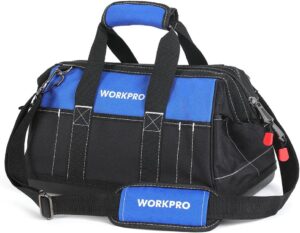
WORKPRO 16-inch Wide Mouth Tool Bag…
From the brand Pink 66 Gallon Moving Bag Large Moving bag 6 Pack Extra Large Moving…