

Staying organized inside the cockpit isn’t about perfection—it’s about predictable routines, clear access to essentials, and reducing decision load when workload is high. A tidy, well-planned cockpit improves safety, reduces scanning time, and keeps crew coordination crisp.
This guide delivers practical, immediate strategies pilots can adopt today: layout principles, storage solutions, labeling tips, and small habits that compound into a safer, calmer flight deck.
1. Design a predictable cockpit layout
Start with a deliberate layout. Assign fixed locations for items you use every flight: kneeboard, headset, flashlight, charts, and personal timing devices. When items live in consistent spots, reaching for them becomes automatic and frees attention for flying.
For paper and quick-reference materials, a quality Pilot Kneeboards keeps checklists, approach plates, and flight logs secure and readable without fumbling in laps or across seats.
2. Standardize flows and checklists
Use short, repeatable flows for key phases: before-start, taxi, takeoff briefing, departure, approach, and shutdown. Standard flows reduce variability and lower cognitive load during high workload.
Keep printed checklists and a laminated emergency flow in a single pocket or clipboard so every crewmember follows the same sequence. For instrument flying, store quick-reference material like the Aviation Weather Handbook (2026) in an accessible sleeve to answer weather questions quickly without opening multiple books or apps.
3. Organize paper and digital charts
Decide whether paper or electronic charts are primary and make the other a backup. If you fly primarily with tablets, keep a small dedicated pocket or mount for the device and a backup paper approach in a labeled sleeve.
Label sleeves and pockets clearly so charts for different phases (departure, en route, approach) are easy to grab. A reliable labeling tool such as the Brother P-Touch label maker lets you make durable, legible labels for binders, pockets, and switch covers—especially useful in shared aircraft.
4. Make avionics and communications tidy
Manage cords and headsets to keep the panel area free of tangles. Use a single headset stow point and cable tidy so you don’t trail wires across instruments. For fleet or dual-pilot operations, attach a dedicated pouch or hook near the center console for headsets and adapters.
Choose robust, well-fitting Aviation Headsets and standardize connectors and power adapters. Consistent mounting and storage reduces time wasted swapping plugs and hunting for adapters during passenger boarding or preflight briefings.
5. Stow essential safety and emergency items within reach
Plan for the items you might need without leaving the cockpit: flashlight, first-aid supplies, and a small emergency kit. Keep them in a known, quickly reachable location like a seat pocket or dedicated console cubby.
Include compact, bright Emergency Flashlights for post-landing checks and unexpected inspections. Store a basic Aviation First Aid Kits in an assigned location so accessing supplies during an incident is straightforward and unambiguous.
6. Control personal gear and ergonomics
Personal items—sunglasses, pens, tablets, watches—can clutter the panel and compete for hand space. Limit what you bring into the cockpit and use specific pockets for non-essential items. Keep one reliable timepiece on your wrist for backup and cross-checks.
A pilot-grade timepiece such as those in the Pilot Watches category can serve as a primary reference for crosswind calculations, fuel checks, and holding entries without fumbling for a phone.
7. Establish quick clean and handoff routines
At duty change or preflight, spend two minutes to confirm the layout: remove trash, fold charts into their labeled sleeves, silence and stow devices, and check required safety items are present. A short handoff checklist for incoming crew ensures nothing is assumed or overlooked.
Consider small, repeatable tasks: wipe surfaces, return headsets to their hook, and restow the flashlight. These tiny habits keep the cockpit ready for the next flight and prevent small issues from becoming distractions in flight.
8. Use gear that supports organization and longevity
Choose durable organizers, pouches, and fasteners designed for aviation use. Avoid ad-hoc solutions that may fail under vibration or rapid movements. When adding storage hooks or adhesive mounts, pick aviation-rated or proven items to avoid panel damage or interference with controls.
For shared aircraft, create a small “go bag” with spare batteries, a backup pen, and a laminated quick-reference, and store it in a known locker. For morale and crew recognition, practical items that double as appreciation are useful—browse Pilot Gifts for tasteful, functional options when equipping a team or thanking a colleague.
Checklist: Quick cockpit organization steps
- Assign fixed homes for kneeboard, headset, flashlight, charts, and first-aid kit.
- Label pockets and sleeves with a handheld labeler.
- Use one primary chart source; store a labeled backup.
- Keep headset cables coiled and stowed; store adapters together.
- Place emergency flashlight and first-aid kit in a single reachable spot.
- Run a two-minute clean/handoff routine before each flight change.
- Carry one reliable wristwatch and one backup timing device.
FAQ
Q: How do I decide between paper charts and tablet apps?
A: Choose the primary format that reduces workload. Tablets are excellent for dynamic updates; paper offers resilience and simplicity. Keep the alternate format as a labeled backup and rehearse switching if an outage occurs.
Q: What’s the best place to keep a flashlight?
A: Store it in a fixed, clearly labeled pocket or console cubby within reach of the pilot and co-pilot—near the checklist or kneeboard is ideal.
Q: How can I prevent headset cord tangles?
A: Use a single hook or pouch per headset, wrap cables on a simple figure-eight, or use cable ties. Standardize stow location across the fleet so crews don’t improvise new spots.
Q: Should I label cockpit items?
A: Yes. Durable labels for pockets, sleeves, and storage boxes save time and eliminate ambiguity—especially useful when multiple pilots share an aircraft. A compact labeler makes this easy and professional.
Q: What small items should always be in a cockpit “go bag”?
A: Include spare batteries, a pen, backup checklist, small flashlight, and a compact first-aid kit. Keep it in a single, labeled container.
Q: How often should the cockpit be re-organized?
A: Reassess layout after any incident, after introducing new equipment, or quarterly for busy operations. Keep changes minimal and communicate them to the crew.
Conclusion
Organization in the cockpit is built from small, repeatable choices: fixed homes for items, clear labeling, concise flows, and reachable emergency gear. Implement the checklist above, select a few durable organizers, and practice handoff routines—within days you’ll notice reduced friction, faster responses, and a calmer flight deck.
Products Featured in This Article
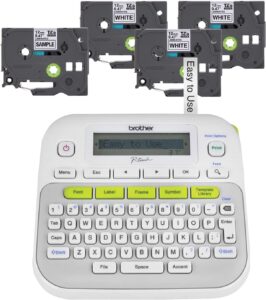
Brother P-Touch, PTD210, Easy-to-Us…
With the PT-D210, you can easily organize and personalize items you want around your home and…
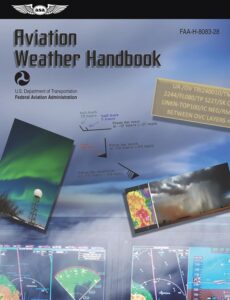
Aviation Weather Handbook (2026): F…
This is not AI-generated content. Aviation Supplies & Academics has been the industry’s trusted source for…