
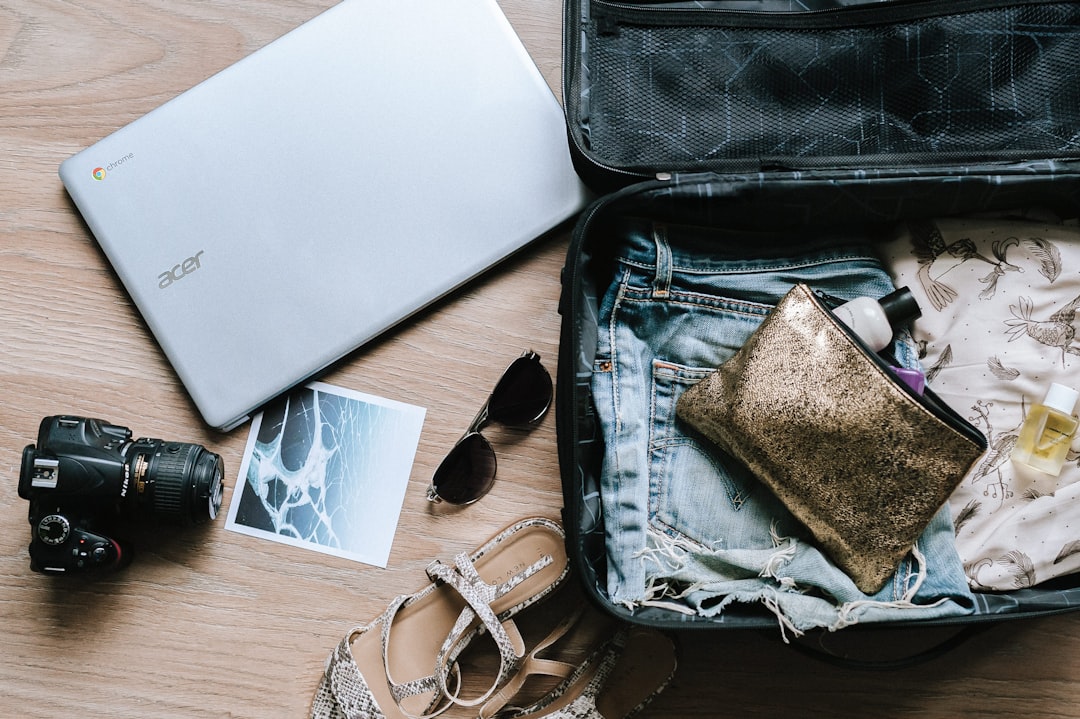
How to Build a Practical Flight Bag for Daily Use
Everyday flying demands a flight bag that’s organized, durable, and tailored to the missions you fly. Whether you’re a single-pilot operator, corporate pilot, or a frequent first officer, a smartly packed flight bag saves time, reduces stress, and increases safety.
This guide walks through the equipment, organization strategies, and small extras that make a flight bag truly practical for daily use. Use it as a checklist when assembling or refreshing your setup.
1. Pick the right bag for your routine
Start with a bag built for aviation: durable materials, a comfortable carry system, and logical compartments. A purpose-built Pilot Flight Bags collection offers sizes and layouts meant for flight gear, reducing wasted space and preventing critical items from getting buried.
2. Compartmentalize: the one-in-one-out rule
Divide items into fixed zones: documents, electronics, crew comfort, and tools. Use inner pouches and sleeves so each category has a home. If you add an item, remove another—this keeps weight predictable and the bag ready for rapid access during preflight or taxi.
3. Electronics and power management
Protect tablets, small laptops, portable GPS units, and headsets with padded sleeves. Keep chargers, spare cables, and a compact power bank in a labeled pouch so you never fish for the right cable in a hurry. If you carry a headset regularly, consider a bag layout that leaves a dedicated space for it; browse Aviation Headsets options to match your packing preferences.
4. Paperwork, charts, and logbooks
Set aside a flat, protected section for your current charts, approach plates, and aircraft documents. A waterproof document sleeve is worth the small investment. Make logging quick by keeping your official logbook in the same pocket so entries are made before you walk away. If you need a replacement or second copy, check the Pilot Logbooks selection for compliant options.
5. Pilot tools and quick-access gear
Crew tools, such as a small multi-tool, a locking penlight, and aviation-appropriate flashlights, should live in an easy-to-reach pocket. A compact, bright torch is indispensable for cockpit checks and late-night inspections—consider keeping a certified Cockpit Flashlight in your kit.
6. Personal comfort and crew essentials
Long days or multiple short hops demand small comfort items: a refillable water bottle, travel toothbrush, and a compact amenity kit. Pack moisture-wicking socks or compression socks for circulation on long flights. A dedicated pouch with toiletries and quick-change items keeps the main compartments clean; explore compact options under Travel Amenity Kits to standardize your set.
7. Navigation aids and kneeboard workflow
Keep current approach plates, checklist sheets, and tablet mounts on a kneeboard or flight desk. A durable kneeboard improves in-flight workflow and reduces the need to remove items from pocket compartments. If you’re evaluating styles, the Pilot Kneeboards category has form factors that pair well with most bags and cockpit setups.
8. Sunglasses, timepieces, and daily accessories
Sun, glare, and timing are daily concerns. Keep an impact-resistant sunglasses case and a reliable watch in a small front pocket so they’re ready on short notice. Aviation-grade options for eye protection can be found among Aviation Sunglasses, and choosing a dedicated spot prevents scratches and loss.
9. Training materials, checklists, and reference books
If you’re training or maintain currency on procedures, carry concise reference materials that won’t overwhelm your bag. A small, prioritized set of manuals or test-prep books serve as both reference and study material without adding excessive weight. Look for slim volumes in the Flight Training Books selection to keep knowledge close at hand.
Packing checklist
- Primary flight bag (purpose-built)
- Headset with protective case
- Tablet/laptop in padded sleeve + chargers
- Official documents & protected charts
- Pilot logbook
- Multi-tool, cockpit flashlight, pens
- Travel amenity pouch (toothbrush, wipes, socks)
- Sunglasses & watch
- Spare fuses/earplugs/paper checklist
- Compact power bank and extra cables
Tips for daily maintenance
Quickly inspect your bag at the end of each day: remove trash, reseal liquids, and confirm chargers and cables are present. Rotate consumables—replace worn ear tips, expired adhesives, or depleted power-bank charge. A five-minute nightly review prevents surprises when you’re on a tight preflight timeline.
Security, weight, and airline considerations
Keep valuables locked or in zipped compartments during travel. Aim for a predictable weight by limiting “just in case” items; for airline operations, make sure your carry complies with company SOPs and security rules. Heavier, rarely-used tools are better left in aircraft tool kits or vehicle stowage to avoid unnecessary strain.
Checklist for building your bag (quick)
- Choose a bag designed for pilots
- Set fixed zones for documents, electronics, and comfort
- Label pouches or use color coding
- Carry redundant power and at least one penlight
- Inspect and resupply daily
FAQ
Q: How many bags should I own for different missions?
A: One well-configured daily bag and a secondary, larger deployment bag for long trips or maintenance missions is a practical combination.
Q: What’s essential vs. optional in a daily flight bag?
A: Essentials: documents, headset, logbook, navigation aids, light, and a reliable power source. Optional: spare clothing, advanced tools, large reference manuals.
Q: How do I protect electronics from moisture and impact?
A: Use padded sleeves, resealable waterproof pouches for sensitive gear, and silica gel packets to manage humidity in humid climates.
Q: Should I pack a full checklist book or digital checklists?
A: Carry both if possible: a short physical checklist for immediate use and a digital copy for extended procedures. Physical checklists are indispensable if devices fail.
Q: How often should I update my charts and training materials?
A: Replace charts and approach plates per your regulatory and company currency schedule. Review training materials quarterly or when syllabus changes occur.
Conclusion
A practical daily flight bag is built around a purpose-designed bag, strict organization, and a lean selection of mission-critical items. Regular inspection and disciplined packing keep weight down and readiness high—so you can focus on flying, not searching.