
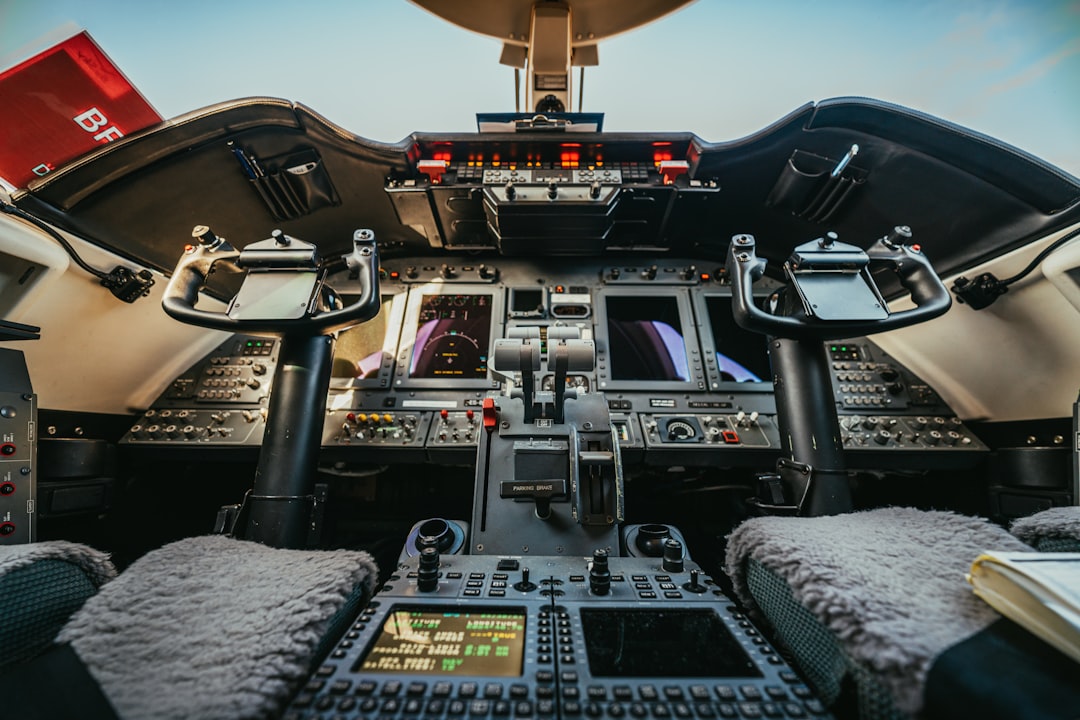
Essential Gear Every Private Jet Pilot Should Keep Ready
Flying a private jet demands a blend of precision, preparedness, and practical gear. Whether you’re flying short business trips or long-range missions, having the right items immediately accessible reduces stress and keeps operations smooth.
This guide covers the essential equipment every private jet pilot should keep ready—organized by function so you can build a compact, effective kit that fits in the flight bag or cockpit locker.
Preflight documents and quick references
Before taxi, make sure your quick-reference material is accessible: approach plates, aircraft specific checklists, and a small library of authoritative texts for abnormal situations. A concise set of reference books kept in the flight bag keeps answers at hand when you need them most; consider carrying copies from the category of Instrument Rating Books for instrument procedures and refresher guidance. Store them in a weather-resistant sleeve and rotate content seasonally so charts and procedures remain current.
Cockpit communication and noise management
Clear communication is non-negotiable. A quality aviation headset reduces cockpit fatigue and improves readability of ATC and intercom transmissions, especially during long flights or high-noise phases like takeoff and approach. Keep a reliable headset in the flight bag and one available in the aircraft so you always have redundancy. Check connections, boom microphone condition, and battery status before each flight—small failures are the most common reason headsets aren’t usable when needed. For proven options, see the Aviation Headsets selection.
Navigation and in-flight reference tools
Efficient cockpit management requires tools that keep navigation data organized and accessible. A sturdy kneeboard allows quick note-taking, approach briefing, and holding pattern timing without digging through loose papers. Use a kneeboard with secure clips or a clear pocket for charts and a pen loop for speed. Keep a backup battery pack for tablets and a laminated quick-reference card for your aircraft’s limits. If you need one that fits professional use, check the Pilot Kneeboards category for durable options.
Personal protective gear and comfort items
Pilot performance is influenced by comfort and protection. High-quality aviation sunglasses with polarized lenses reduce glare and protect against eye fatigue on long daylight legs. Store a spare pair in a hard case to prevent scratches. Also consider lightweight layers for cabin temperature variation and non-restrictive footwear for quick movement in emergencies. When shielding your vision matters most, explore the Aviation Sunglasses options to find styles tailored to cockpit light conditions.
Emergency and survival essentials
An emergency kit should be compact but capable. Include signaling devices, basic shelter items, and thermal protection for ditching or unexpected stops in cold conditions. Lightweight emergency blankets that reflect body heat are an indispensable addition to any kit—small, easy to stow, and effective at preventing hypothermia after a forced landing or extended wait for rescue. Keep one in an obvious compartment of the flight bag so it’s accessible immediately: Emergency Blankets are ideal for this purpose.
Onboard medical and first-aid supplies
Even in business aviation, the ability to handle minor injuries or medical events can be critical. Stock a compact, aviation-oriented first-aid kit tailored to the number of passengers and flight duration. Make sure it contains dressings, basic diagnostics (like a small thermometer), medications for allergic reactions, and supplies to manage bleeding and shock. Regularly inspect and refresh consumables, and store the kit in a clearly marked, easily reachable place in the cabin. Look for purpose-built kits within the Aviation First Aid Kits category.
Emergency lighting and visibility tools
Reliable lighting can make the difference during evacuations, inspections at night, or searching for small parts after a maintenance issue. Keep a compact, high-output emergency flashlight or lantern in the cockpit and a spare in the cabin. Choose models with multiple modes (high, low, strobe) and long shelf-life batteries. Regularly test lights and replace batteries seasonally; a dedicated emergency light is more dependable than relying on phone flashlights. Browse the Emergency Flashlights category for aviation-ready choices.
Maintenance and troubleshooting tools
A small, organized troubleshooting kit speeds resolution of common inflight or preflight discrepancies. Include items like a compact multimeter for simple electrical checks, safety wire pliers for securing minor components, and a telescoping magnetic pickup tool for retrieving dropped fasteners in tight spaces. Magnetic pickup tools are lightweight, versatile, and can save time when small metal pieces go missing in the bay or galley areas—keep one in your toolkit: Magnetic Pickup Tools. Label tools and store them in a small roll or case so nothing rattles or gets lost in flight compartments.
Quick-prep checklist
- Headset (checked and spare) and kneeboard with current charts
- Portable navigation battery pack and tablet charger
- Polarized sunglasses in hard case and layered clothing
- Emergency blanket and signaling light
- Compact aviation first-aid kit (inspect monthly)
- Emergency flashlight (primary and backup) with fresh batteries
- Small maintenance kit: magnetic pickup tool, multimeter, safety wire pliers
- Flight bag labeled compartments and a laminated PCN/emergency card
FAQ
Q: How often should I check emergency items?
A: Inspect emergency gear and consumables preflight for any signs of damage; perform a thorough inventory monthly and replace expired components immediately.
Q: Which items should always remain in the aircraft?
A: A basic first-aid kit, emergency flashlight, thermal blanket, and a small maintenance tool kit should remain onboard. Personal items like headsets can be kept with the pilot but duplicates should be available onboard.
Q: Is a paper checklist still necessary with digital avionics?
A: Yes. Electronic failures occur; a laminated paper checklist or printed procedures provide a reliable fallback for abnormal and emergency procedures.
Q: What maintenance tool is most useful for pilots?
A: A compact multimeter and a magnetic pickup tool are two high-utility items—one for basic electrical troubleshooting and the other for retrieving dropped metal parts in confined spaces.
Q: How should I store these items to stay ready?
A: Use modular pouches and labeled compartments in the flight bag or a cockpit locker. Prioritize accessibility—items you need quickly (flashlight, checklist, headset) should not be buried deep.
Conclusion
Preparedness is practical and repeatable: assemble a compact, well-labeled kit that covers communication, navigation, personal protection, emergency survival, medical needs, and basic maintenance. Keep it checked, updated, and within reach—small investments in the right gear deliver big dividends in safety and operational confidence.