
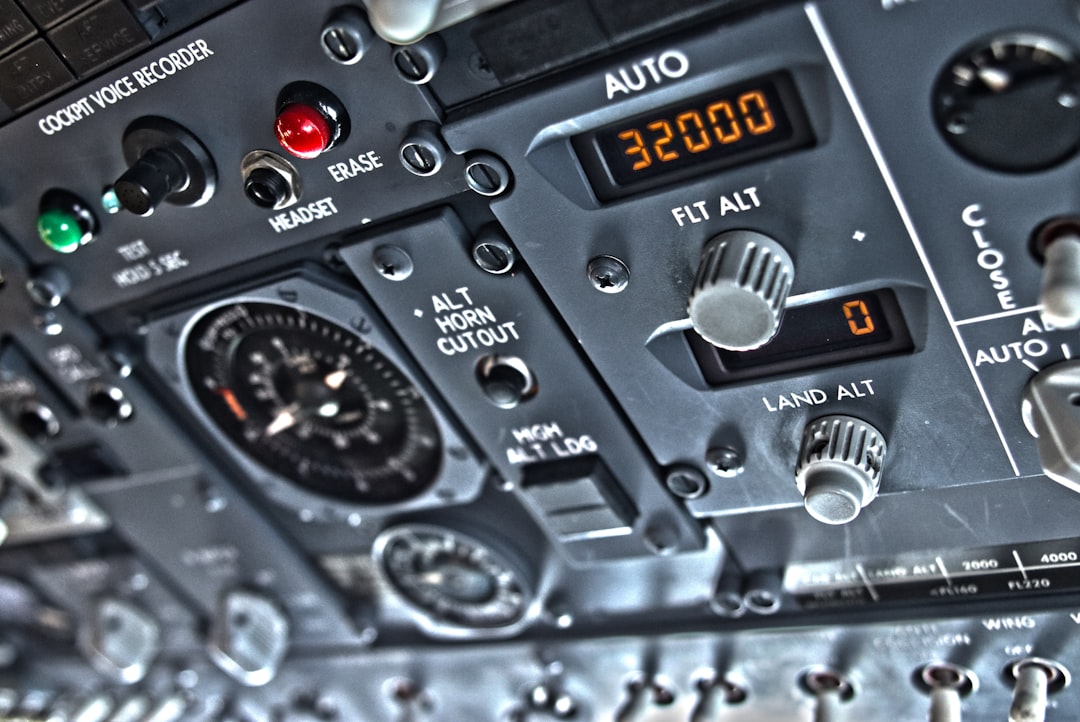
Pilot Safety Tips Before Every Flight
Every flight begins long before engines start. A consistent preflight routine reduces surprises, prevents accidents, and keeps you and your passengers safe. This guide covers proven, practical checks and habits pilots should perform before every departure.
Documenting actions and discrepancies is part of that routine—keep entries current and accurate in your Pilot Logbooks to maintain an audit trail and support safe decision making.
1. Preflight Planning: Weather, NOTAMs, and Fuel
Start with the big picture. Check weather en route, alternate fields, and destination trends, not just current METARs. Review NOTAMs for airport/runway closures and temporary hazards. Calculate fuel required for the planned route plus reserves, taxi, and contingencies. If weather or NOTAMs increase risk, delay or choose an alternate route rather than press on.
2. Exterior Walkaround: Inspect for Damage and FOD
Perform a systematic walkaround using a checklist. Look for loose panels, leaks, tire condition, control surface freedom, and evidence of wildlife or foreign object debris around the intake and gear. Use a bright, focused light for low-light checks—an Aircraft Inspection Flashlights makes it easier to spot hairline cracks, chafing, and oil streaks during early morning or night inspections.
3. Fuel, Oil and Systems: Quantity and Quality
Verify fuel quantity visually and via gauges, check fuel caps and vents, and sample for water or contaminants. Confirm oil level within limits and examine for metal flakes or unusual odor. Bring the right tools and spares in case you need to tighten a fitting or secure a loose fairing—an Aviation Tool Bags keeps essential tools organized and protected.
4. Electrical & Avionics Checks: Power and Redundancy
Run battery and alternator checks, confirm circuit breakers are set, and verify avionics boot and GPS functions. For troubleshooting or measuring voltage and continuity on the aircraft, a quality Multimeters for Aircraft Maintenance are indispensable—use them during preflight when lights, switches, or instruments behave unexpectedly.
5. Cockpit Prep: Lighting, Emergency Items, and Briefings
Set up your cockpit before passengers board: confirm primary flight instruments, standby instruments, radios, transponder, and lighting. Stow and test the flashlight you’ll use in an evacuation or systems check—keeping an Emergency Flashlights in a known location improves response time under stress.
6. Ground Handling & Ramp Safety: Personal Protection
Taxi areas and ramps are active workplaces—wear appropriate gloves for protection when handling chocks, tie-downs, and lines. Durable Work Gloves for Aviation reduce cuts and improve grip when you’re loading luggage or securing panels during preflight.
7. Boarding, Cabin & Passenger Safety
Ensure cabin items are secured and passengers briefed on seatbelts, exits, and electronics policy. For wet or icy ramp surfaces, encourage footwear with traction or fit crew with Anti Slip Shoe Grips to minimize slips while boarding or operating on stairs. Check that life vests, oxygen supplies, and safety cards are present and accessible.
8. Emergency Equipment & First Aid
Know the location and serviceability of on-board emergency equipment: fire extinguisher status, ELT armed, life rafts if applicable, and first aid supplies. Carry or verify a well-stocked Aviation First Aid Kits for immediate treatment of minor injuries or stabilization until professional care is available.
9. Human Factors: Fitness, Fatigue, and Decision-Making
Honest self-assessment is non-negotiable. If you’re tired, stressed, ill, or impaired by medication, postpone the flight. Hydrate, eat a light snack if needed, and keep caffeine use moderate. Decide before startup what your personal minimums are for weather, visibility, fuel, and alternates—stick to them.
Quick Preflight Checklist
- Weather, NOTAMs, fuel planning completed.
- Walkaround complete; no leaks, FOD, or damage visible.
- Fuel sampled; oil within limits.
- Battery/avionics power checked; radios set.
- Flashlight and emergency tools accessible.
- Passenger briefing done; cabin secured.
- Personal fitness confirmed; paperwork logged in Pilot Logbooks.
Practical Tips for Routine Consistency
Use a laminated preflight card or electronic checklist and always follow the same order. Store a compact tool bag and a small set of diagnostic tools in the aircraft—this saves time and prevents improvisation. If you delegate exterior tasks, brief ground crew on expectations and confirm the work verbally before taxi.
Training and Refresher Resources
Regular study keeps skills sharp. Periodic review of instrument and systems procedures reduces error under pressure. Supplement flight practice with relevant manuals and guides; formal training materials and handbooks can reinforce best practices and scenario-based decision-making.
Small Equipment That Makes a Big Difference
Carry a few targeted items: an oil-safe rag, a compact torque wrench or certified tool for small fasteners, and a magnetic pickup tool for dropped hardware. Stow these in a dedicated Aviation Tool Bags so tools are ready and secured.
FAQ
- Q: How long should a preflight walkaround take?
A: Typically 10–20 minutes, depending on aircraft complexity and conditions; don’t rush. - Q: What if I find a discrepancy?
A: Log it, assess airworthiness per the POH/maintenance manual, and consult maintenance before flight if required. - Q: Should I carry additional medical supplies?
A: A basic Aviation First Aid Kits is recommended for all flights; tailor contents for mission and passenger needs. - Q: What flashlight is best for preflight and emergencies?
A: Choose a compact, bright unit with a clip or lanyard; keep one in the cockpit and one in the baggage compartment. - Q: How do I handle electrical anomalies during preflight?
A: Use a Multimeter for Aircraft Maintenance for basic checks; follow the checklist and consult maintenance for persistent issues. - Q: Any tips for ramp safety in winter?
A: Wear improved-traction footwear or crew Anti Slip Shoe Grips, use gloves, and avoid carrying large loads without assistance.
Conclusion
Make preflight safety a habit: plan, inspect, verify, and document. Small investments—a good flashlight, a reliable tool bag, proper gloves, and an organized checklist—prevent large problems. The safest flights come from disciplined routines and conservative decisions before you taxi.
Products Featured in This Article
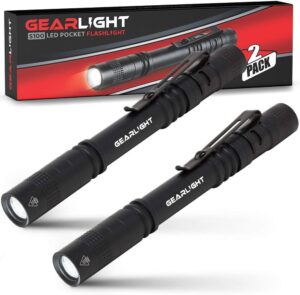
GearLight S100 LED Pocket Pen Light…
Product description Add to Cart Add to Cart Add to Cart Add to Cart Add to…