
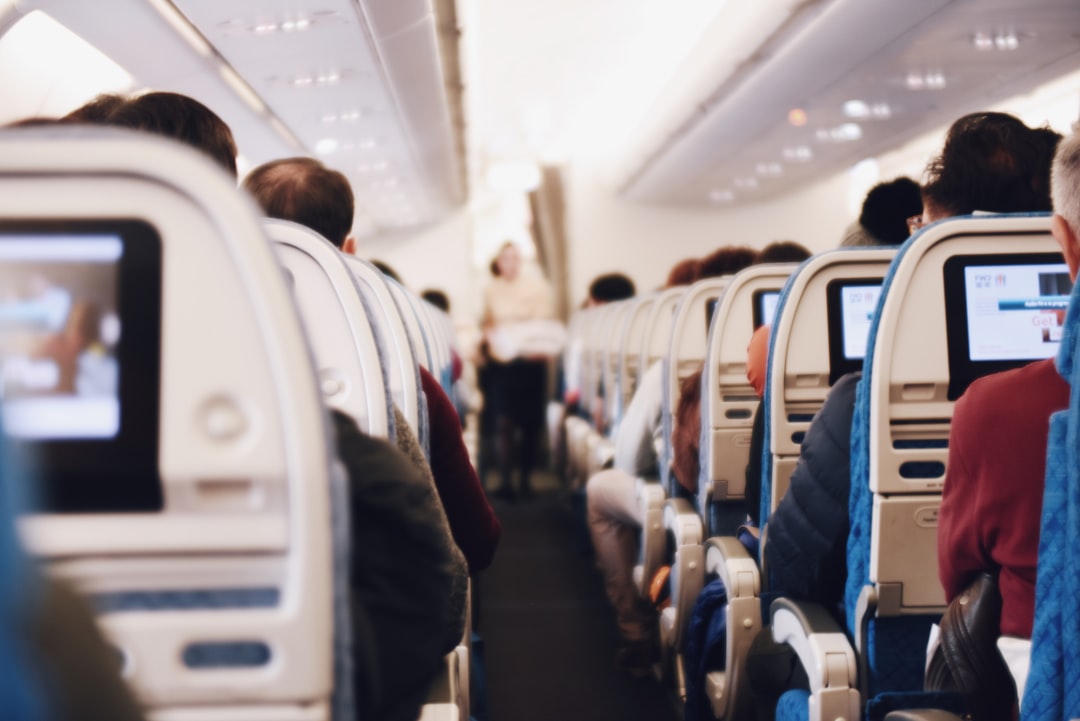
Long flights are part of the job for flight attendants. Comfort isn’t a luxury—it’s a performance tool. Staying alert, efficient, and personable on multi-hour legs starts with practical, repeatable habits and the right small gear.
This guide focuses on simple, proven strategies you can use on overnight and ultra-long sectors: how to manage fatigue, maintain body temperature, protect feet and hands, and build a compact comfort-and-safety kit you can rely on between briefings and passenger service.
Choose footwear and traction you trust
Comfort starts at the ground. Shoes for long duty should balance grip, support, and a low profile for confined galleys and aisles. For slippery conditions on ramps or wet jetways, consider slip-resistance solutions designed for aviation crews: Anti Slip Shoe Grips can reduce slips without changing your whole footwear setup. Rotate two pairs on extended trips — one for duty and one for rest — to reduce foot fatigue and blister risk.
Hydration and smart in-flight nutrition
Hydration is the single most effective way to reduce fatigue and headaches at altitude. Start duty well-hydrated, sip water regularly through service, and avoid excess caffeine and alcohol during duty periods. Pack protein-rich, low-grease snacks (nuts, jerky, protein bars) and schedule small meals between service peaks to keep blood sugar steady without sluggishness.
Prioritize rest: naps, posture, and scheduling
Use controlled naps when possible. Even 20–30 minutes can restore alertness; set an alarm and keep a light-blocking eye mask and earplugs in your bag. If you have a designated rest seat, recline gradually and align your neck with a compact travel pillow. For unpredictable layovers, a few comfort items can make rest more effective—browse curated ideas in the Flight Attendant Gifts section for compact pillows, masks, and amenity-friendly accessories.
Manage temperature and moisture
Cabin temperatures change across flights. Layer clothing so you can add or remove insulation quickly. A lightweight windbreaker, breathable base layers, and a compact emergency blanket for sudden chills work well. Stash an emergency blanket in your personal kit for unexpected diversions or cold-night arrivals: Emergency Blankets are low-volume and high-impact when you need extra warmth fast.
Protect hands and maintain grip during service
Handling carts, hot pans, and hard service surfaces all day takes a toll on your hands. Thin, grippy gloves can protect against burns and blisters without sacrificing dexterity. If you prefer a dedicated pair for heavy tasks, look for aviation-appropriate options in the work-glove category: Work Gloves for Aviation. Keep a spare pair in your locker or carry-on for longer rotations.
Build a compact comfort-and-safety kit
A well-chosen personal kit saves time and improves on-duty comfort. Include items like an eye mask, earplugs, a small travel blanket, non-prescription pain reliever, moisturizing lip balm, and a compact pack of hand wipes. For easy gifting or replacement items, consider small crew-focused products like these bulk convenience items for rest and passenger care: Tondiamo Flight Attendant Gifts (useful as small extras or amenity swaps).
Carry a personal first-aid and emergency kit
Small injuries and passenger issues are part of service life. A compact, well-stocked first-aid kit lets you handle minor cuts, burns, or allergic reactions without delay. Consider keeping a compact aviation-focused kit in your carry-on or locker: the site offers a category of Aviation First Aid Kits and sturdy, full-featured options like the VRIEXSD Premium First Aid Kit if you want a more comprehensive personal pack for longer sectors or international work.
Low-light tools and emergency readiness
Cabin lighting changes, and brief outages can happen during cross-checks, diversions, or service. A compact, hands-free light and a small pocket flashlight make inspections, aisle checks, and emergency procedures easier. Keep a small light accessible on your person or in the jump bag: the Emergency Flashlights category includes compact options that won’t weigh you down but will be ready when you need them.
Checklist: Comfort essentials to pack
- Supportive low-profile shoes and slip-resistant covers (Anti Slip Shoe Grips recommended)
- Compact eye mask, earplugs, and travel pillow
- Small personal first-aid kit and bandaids
- Layered clothing and emergency blanket
- Grippy utility gloves for heavy cart work
- Water bottle, high-protein snacks, and electrolyte packets
- Small pocket flashlight or headlamp
FAQ
Q: What’s the best footwear choice for long duty?
A: Choose supportive shoes with a stable sole and comfortable fit; add slip-resistant covers for wet or icy conditions.
Q: How can I nap effectively between sectors?
A: Use a 20–30 minute nap for quick restoration, block light and noise, set an alarm, and avoid deep sleep if duty resumes soon.
Q: Which items should be in a carry-on comfort kit?
A: Eye mask, earplugs, small blanket or emergency blanket, lip balm, travel toothbrush, basic meds, and a compact first-aid kit.
Q: How do I prevent hand and wrist strain during service?
A: Rotate tasks when possible, use lightweight thermal or grippy gloves for cart handling, and do simple wrist stretches on breaks.
Q: Are emergency flashlights necessary for cabin crews?
A: Yes—compact emergency lights help with low-light checks, diversions, and passenger assistance; keep one easily accessible.
Conclusion
Comfort on long flights is practical preparation: the right footwear, a simple personal kit, hydration and nutrition discipline, and a few compact safety items make long duty more manageable. Start with the checklist, add one new item each trip, and you’ll feel the difference in alertness and resilience.
Products Featured in This Article

VRIEXSD Premium First Aid Kit, 320 …
Product description WELL ORGANIZED Inner of the small emergency kit is divided into compartments, so that…
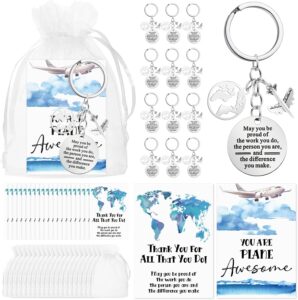
Tondiamo Flight Attendant Gifts Bul…
To calculate the overall star rating and percentage breakdown by star, we don’t use a simple…