
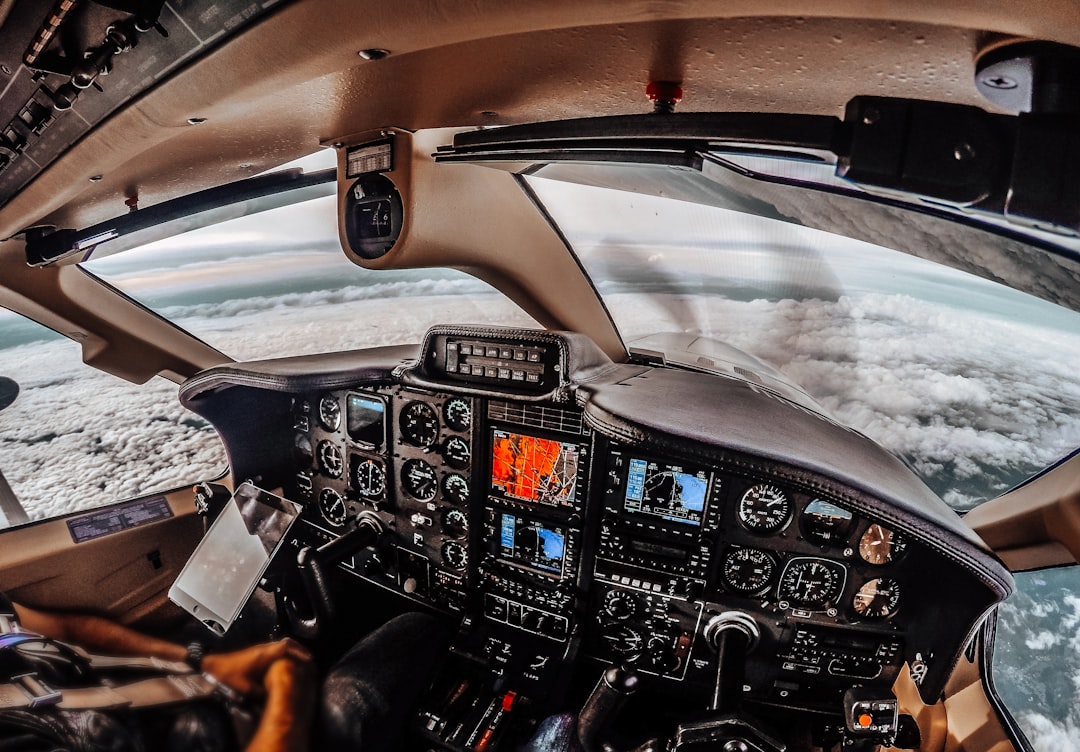
Cockpit Comfort Tips for Pilots During Longer Trips
Long flights challenge more than navigation and fuel planning — they test endurance. Maintaining comfort in the cockpit preserves focus, reduces fatigue, and keeps decision-making crisp on trips that stretch several hours.
Small, deliberate choices about rest, hydration, ergonomics and organization make a measurable difference. Below are practical, field-tested tips and product-minded solutions to keep pilots comfortable and mission-ready.
Preflight Preparation and Rest
Start the trip by prioritizing quality rest and a minimal-stress preflight routine. Pack a compact set of sleep and recovery items so you can get restorative shut-eye between legs. Consider a dedicated kit that includes toiletries, earplugs, and small comfort items you use consistently — having the same routine reduces sleep latency and improves sleep quality.
For convenience and consistency on multi-leg trips, a ready-made Travel Amenity Kits can save time and ensure you always have essentials at hand when it’s time to rest or freshen up.
Seating and Ergonomics
Proper seating position reduces lower-back strain and neck fatigue. Adjust seat pan, lumbar support and rudder pedals before taxi, and use small, targeted cushions rather than bulky pillows that restrict movement. Reposition frequently — every 20–30 minutes — to alter pressure points.
Keep personal items organized and within reach without cluttering the panel. A compact, zippered organizer that fits behind or alongside the seat helps store charts, sunglasses, pens and snacks so you don’t have to twist or reach while airborne. An Airplane Seat Organizers is a simple addition that reduces cockpit clutter and the need for awkward reaches during flight.
Hydration, Nutrition and Fueling the Body
Dehydration and low blood sugar are insidious fatigue drivers. Schedule small, regular intakes of water and easy-to-digest snacks rather than a single heavy meal. Avoid excessive caffeine late in the duty period; use it strategically for alertness but combine it with hydration.
Pack durable, resealable containers for portioned snacks that won’t spill or crush in the flight bag. Snack Storage Containers keep nuts, fruit, and bars fresh and accessible, and make it easier to eat small, regular portions without interrupting flight duties.
Temperature Control and Layering
Cabin temperature can vary widely across altitudes and during ground delays. Dress in thin, breathable layers so you can add or remove insulation without restricting movement. A lightweight, packable layer can be stowed under the seat and accessed quickly.
For unexpected weather or extended ground holds, keep an emergency layer that’s compact and heat-retentive. An Emergency Blankets or a thin insulating wrap can be lifesaving for maintaining body temperature during delays or diversion holds.
Noise, Lighting and Alertness
Cockpit noise and lighting affect concentration. Use task lighting for charts and devices rather than overhead lights that flood the cockpit and affect night vision. When possible, dim non-essential lights and use directed reading lights.
Micro-rests and nap strategies during multi-pilot operations are vital. If you rotate rest duties, ensure the resting pilot has a dark, quiet space and a sleep mask to block light; a curated sleep routine before planned rest increases the quality of short naps.
Flight Tools and Display Management
Keep primary displays clear and secondary devices secured. A stable mount for tablets and EFBs prevents distracting movement and allows for a comfortable viewing angle without leaning forward.
A reliable holder like the Flight Flap Airplane Tablet Holder provides flexible positioning for flight plans and charts so you can maintain an ergonomically sound posture while scanning electronic documents.
Beverage Management and Spill Prevention
Hot and cold drinks are routine, but spills are a cockpit hazard. Use stable, spill-resistant containers and plan for quick clean-up options. Secure cups and bottles in designated holders and minimize hot liquids during high-workload phases.
Keep a small selection of dedicated service items that are compact and cockpit-friendly; a kit for beverage handling reduces clutter and speeds service. Browse compact Beverage Service Accessories designed for confined spaces and aviation use.
Cabin Service Basics for Crew Comfort
Even in small cockpits, simple service items make a difference: cups, napkins, and single-serve options keep things tidy. Use disposable, leak-resistant cups during trips to avoid wash-up and save time between legs.
Stock a small pack of Disposable Cups for Cabin Service for hot and cold beverages; they’re lightweight, sanitary and reduce the risk of cross-contamination in multi-leg operations.
Stowage, Organization and Ready Access
Efficient stowage reduces reach, twisting and lost items. Designate zones for documents, tools, personal items and emergency gear. Keep frequently used items in an accessible pouch and heavier items low and secured.
When you pack, think in task groups: navigation (charts, approach plates), personal (sunglasses, watch), and sustenance (snacks, a spare bottle of water). A preflight inventory that you restock after each trip saves time and avoids last-minute scrambling.
Quick Checklist
- Rest: Pack a sleep kit and keep a consistent pre-rest routine.
- Ergonomics: Adjust seat/lumbar, use a tablet holder for neutral posture.
- Hydration & nutrition: Small portions and resealable snack containers.
- Layers: Wear breathable layers; keep a compact emergency blanket.
- Organization: Use seat organizers and designated zones for gear.
- Beverage control: Use spill-resistant cups and beverage accessories.
- Prep: Replenish travel amenity items between trips.
FAQ
Q: How often should I move or change posture on a long leg?
A: Every 20–30 minutes do a brief posture change or stretch to improve circulation and reduce stiffness.
Q: What’s the best way to manage caffeine for alertness without disturbing sleep later?
A: Use small doses early in the duty period, combine with water, and avoid additional caffeine within 4–6 hours of planned rest.
Q: Which items should live in my flight bag for comfort on overnight trips?
A: A compact sleep kit, resealable snack containers, a tablet holder, a small layer or emergency blanket, and disposable cups cover most needs.
Q: How do I balance cockpit ergonomics with space constraints?
A: Prioritize compact, multipurpose gear and keep frequently used items in a reachable organizer so you don’t need to twist or reach into difficult spaces.
Q: Are disposable cups environmentally responsible for frequent flights?
A: Choose heavy-duty, recyclable or compostable options when possible, and limit disposables to in-flight use to reduce overall waste.
Conclusion
Comfort in the cockpit is a force multiplier: it supports alertness, decision-making and safety. Implement a few consistent habits — pack thoughtful amenity items, organize for reachability, manage hydration and temperature, and secure devices — and you’ll notice a tangible improvement on long trips. Small, repeatable investments in comfort pay off across every hour in the seat.
Products Featured in This Article
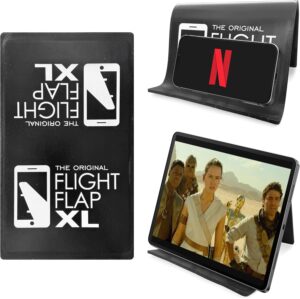
Flight Flap Airplane Tablet Holder,…
From the brand Choose your Travel Companion More styles to choose from TRAVEL COMFORTABLY – Make…