
Six hours into a cross‑country in a Cessna 172 — Houston to Memphis, bumpy the whole way — and the static from a borrowed passive headset was drilling into my skull. By landing, I couldn’t hold a conversation. That was the last time I flew without a headset I’d chosen myself.
Here’s what I’d have bought from day one.
What Makes a Great Aviation Headset
Private pilots fly a mix of missions: $100 hamburgers, IFR training, long cross‑countries, and the occasional night hop. Your headset has to handle all of it — quietly, comfortably, and reliably.
These are the five criteria that matter most.
1. ANR vs. Passive Noise Reduction
- ANR (Active Noise Reduction) uses electronics to cancel low‑frequency noise.
- Passive relies on physical clamping force and ear seals.
Why it matters: In a 172, Warrior, Archer, or DA‑40, cabin noise ranges from 85–95 dB. ANR reduces fatigue, improves radio clarity, and protects hearing. Passive works, but it’s louder — and louder means more tiring.
2. Audio Clarity & Intercom Performance
A headset isn’t just about comfort — it’s a safety device. Clear radios mean fewer “say again” calls and better situational awareness. Look for:
- Crisp mic quality
- Low hiss
- Good sidetone
- Compatibility with older intercoms (common in rental fleets)
3. Clamping Force & Long‑Leg Comfort
A headset can feel fine for 45 minutes and miserable at hour three. Comfort is the #1 factor private pilots underestimate.
4. Build Quality, Serviceability & Warranty
Private pilots keep headsets for 10+ years. You want:
- Replaceable ear seals
- Replaceable cables
- A manufacturer that actually answers the phone
- A warranty longer than two years
5. Bluetooth & Modern Features
Not required — but helpful for:
- ForeFlight audio alerts
- Phone calls on the ground
- Listening to training audio during downtime
Best ANR Headsets for Private Pilots (2026)
These are the three ANR headsets that consistently perform well in real cockpits — not just on spec sheets.
1. Bose A30 — Best Overall ANR Headset
Price: Premium Type: ANR Bluetooth: Yes Weight: Light Warranty: Excellent
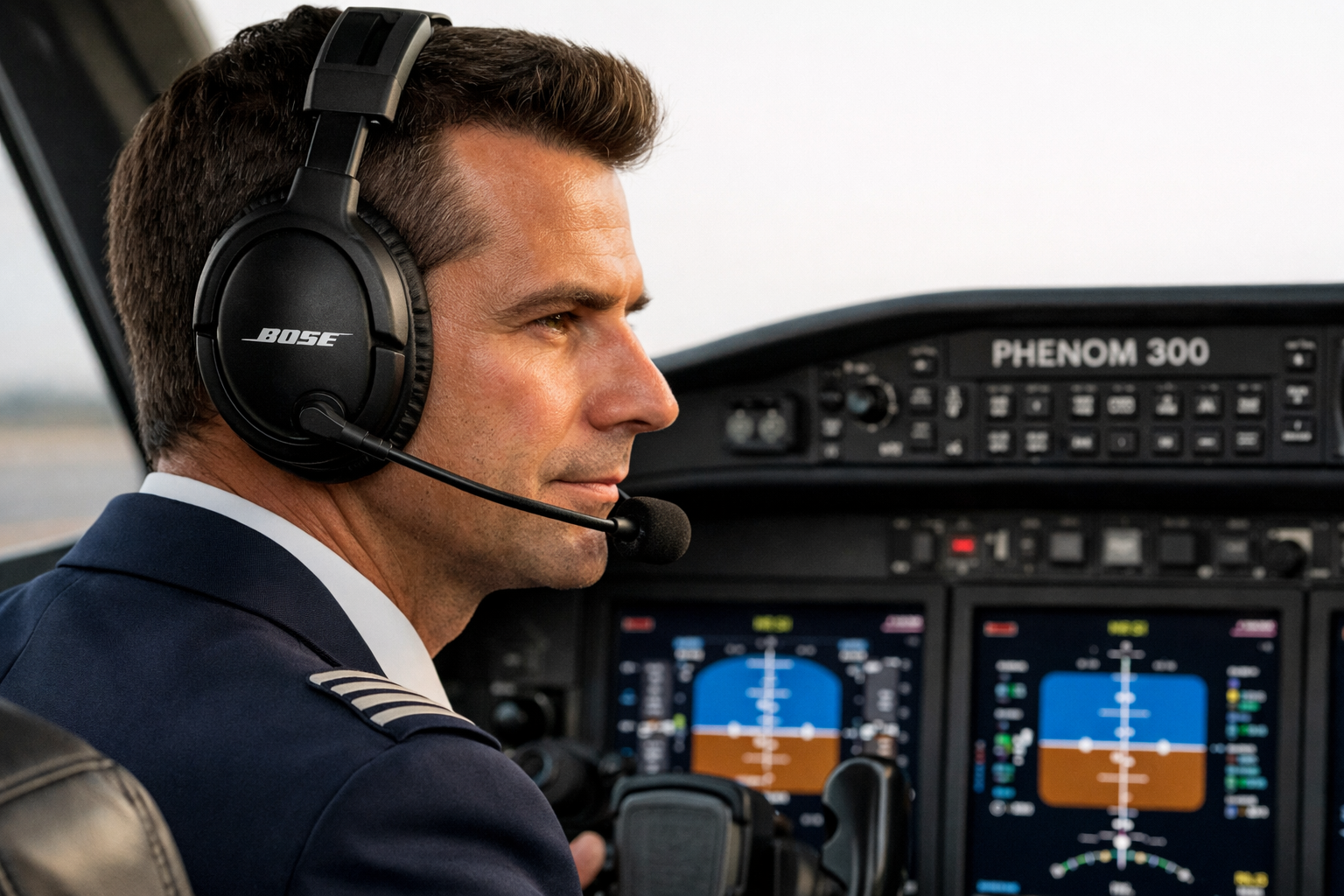
Bose didn’t reinvent the wheel with the A30 — they refined it. The clamping force is lighter than the A20, the audio clarity is outstanding, and the ANR is the best in the industry for piston aircraft.
Real Cockpit Performance: In a 172SP, the A30 cuts noise so effectively that you can fly a four‑hour leg without fatigue. The mic is crisp, the sidetone is natural, and the headset stays comfortable even in summer heat.
Pros:
- Best ANR in the category
- Extremely comfortable
- Great for long cross‑countries
- Excellent warranty and support
Cons:
- Expensive
- Not ideal for pilots who prefer a firmer clamp
Who It’s For: Private pilots who want the best overall experience and fly regularly.
2. Lightspeed Zulu 3 — Best Mid‑Range Premium Option
Price: Mid‑Premium Type: ANR Bluetooth: Yes Weight: Medium Warranty: Strong
The Zulu 3 is Lightspeed’s most balanced headset — lighter than the Delta Zulu, simpler, and more affordable. It’s a favorite among pilots who want premium comfort without Bose pricing.
Real Cockpit Performance: In a Piper Archer, the Zulu 3 performs exceptionally well. The ANR is strong, the ear seals are plush, and the headset feels stable even in turbulence.
Pros:
- Excellent comfort
- Strong ANR
- Great value
- Reliable build quality
Cons:
- Slightly bulkier than Bose
- Mic quality not quite as crisp
Who It’s For: Pilots who want premium performance at a lower price than Bose.
3. Faro G2 ANR — Best Budget ANR Headset
Price: Budget Type: ANR Bluetooth: Optional Weight: Light Warranty: Good
Faro has carved out a niche: affordable ANR headsets that perform better than their price suggests. The G2 ANR is the best entry‑level ANR option for private pilots.
Real Cockpit Performance: In a rental 172 with a worn intercom, the G2 performs surprisingly well. The ANR isn’t Bose‑level, but it’s far better than passive. Comfort is good for 2–3 hour flights.
Pros:
- Best ANR under $500
- Lightweight
- Great starter headset
Cons:
- Build quality is “good enough”
- ANR performance is mid‑tier
Who It’s For: New pilots who want ANR without spending $1,200+.
Best Passive Headsets for Budget Flyers (Under $300)
Passive headsets still make sense for:
- Students on a tight budget
- Backup headsets
- Passengers
- Aircraft with low cabin noise (DA‑20, DA‑40)
Here are the two best options.
4. David Clark H10‑13.4 — Best Passive Headset Overall
Price: Mid‑Budget Type: Passive Bluetooth: No Weight: Medium Warranty: Legendary
David Clark is the Toyota of aviation headsets: reliable, durable, and everywhere. The H10‑13.4 is the most popular passive headset in the world.
Real Cockpit Performance: In a 172N, the H10‑13.4 is louder than ANR but still comfortable. The mic quality is excellent, and the headset feels indestructible.
Pros:
- Extremely durable
- Great mic clarity
- Comfortable for a passive headset
- Industry‑leading support
Cons:
- Louder than ANR
- Heavier clamp
Who It’s For: Pilots who want reliability above all else.
5. Rugged Air RA900 — Best Budget Passive Headset
Price: Low Budget Type: Passive Bluetooth: No Weight: Medium Warranty: Good
The RA900 is the best headset under $200. It’s not fancy, but it works — and it’s perfect for passengers or students who need something affordable.
Real Cockpit Performance: In a Piper Warrior, the RA900 is louder than David Clark but still usable. The mic is clear, and the headset is comfortable enough for short flights.
Pros:
- Very affordable
- Good clarity
- Solid build quality
Cons:
- Louder than DC
- Not ideal for long flights
Who It’s For: Students, passengers, and budget‑conscious pilots.
6. Lightspeed Delta Zulu — Best Safety‑Focused Headset
Price: Premium Type: ANR Bluetooth: Yes Weight: Medium Warranty: Strong
The Delta Zulu is the most technologically advanced headset on the market. It includes:
- Built‑in CO detector
- Hearing‑profile EQ
- App‑based audio tuning
Real Cockpit Performance: In a 172R, the Delta Zulu feels modern and refined. The ANR is excellent, and the CO detector adds a layer of safety private pilots appreciate.
Pros:
- CO detector
- Excellent ANR
- Modern features
Cons:
- More expensive than Zulu 3
- Features may be overkill for some pilots
Who It’s For: Pilots who want tech‑forward safety features.
7. David Clark DC One‑X — Best for Noisy Trainers
Price: Premium Type: ANR Bluetooth: Yes Weight: Medium Warranty: Excellent
The DC One‑X combines David Clark durability with modern ANR. It’s especially good in older, louder aircraft.
Real Cockpit Performance: In a 1978 Cessna 172M, the One‑X performs extremely well. The ANR is strong, the clamp is secure, and the headset feels built to last.
Pros:
- Rugged build
- Strong ANR
- Excellent comfort
Cons:
- Slightly heavier feel
- Price close to Bose
Who It’s For: Pilots flying older, noisier aircraft.
The Headset I Actually Recommend for New Pilots (Wise Captain Pick)
If you’re just starting out — maybe 20 hours in, maybe 200 — the headset I recommend is the Lightspeed Zulu 3.
Here’s why.
The Bose A30 is the best headset overall, but most new pilots don’t need to spend $1,200+ right away. The Zulu 3 gives you 90% of the comfort, 90% of the ANR, and 100% of the reliability at a lower price. It’s comfortable on long legs, works perfectly with older intercoms, and has a warranty that actually means something.
Most importantly, it’s a headset you won’t outgrow. You can fly private, instrument, commercial, and even CFI with the Zulu 3 without ever feeling like you need to upgrade. It’s the headset I wish I’d bought when I started — and the one I recommend to every new private pilot who asks.