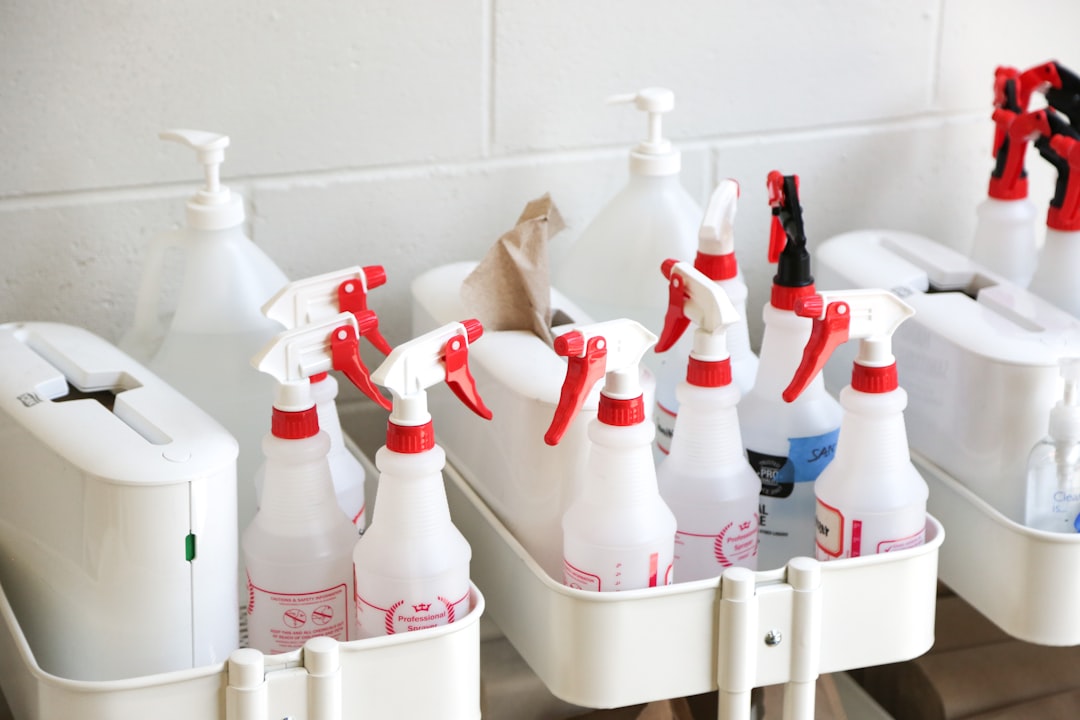
Keeping aircraft cleaning supplies organized is more than neatness—it’s efficiency, safety, and reliability. Crews and ground teams must find, use, and restock cleaning materials quickly between flights without risking contamination, lost time, or misplaced tools.
This guide offers practical, proven methods to organize cleaning supplies for business aircraft: storage choices, labeling systems, kit assembly, inspection routines, and small habits that make supply management predictable and repeatable.
Start with a simple inventory system
Begin by listing every cleaning item you use regularly: disinfectant sprays, microfibers, disposable gloves, odor eliminators, trash liners, polishing pads, and small tools. Use a single spreadsheet or checklist app so one person can update quantities and reorder needs. Keep par levels for each item and assign reordering responsibility to a single role on the team to avoid gaps between flights.
Choose durable, purpose-built storage
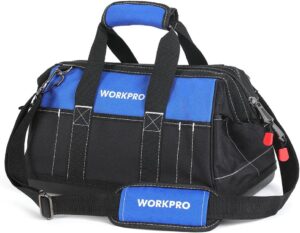
Storage should protect supplies from spills, dust, and UV exposure while making them accessible. For heavy or mixed equipment, choose a rugged tool bag or tote with compartments so small items don’t mix into a single bin. A wide-mouth tool bag gives quick visual access and structured pockets for bottles and brushes—consider a purpose-built option such as the WORKPRO 16-inch Wide Mouth Tool Bag for the maintenance-side kit.
Use sealed containers for consumables
Disposable wipes, cloths, and single-use items degrade when exposed to humidity or contaminants. Store consumables in airtight containers with clear labels so crews can see remaining quantities. Stackable containers save space in service cabinets and maintain hygiene for wipes and pods—an example organizer to consider is the Airtight Food Storage Containers with Lids, which work well for small cleaning consumables and replacement parts.
Label everything clearly
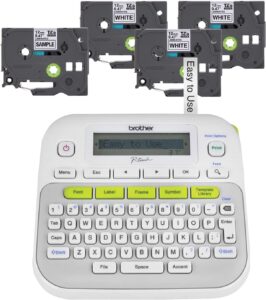
Labels reduce search time and prevent cross-contamination. Label bottles with content and dilution ratios, bins with par levels, and shelves with categories. Use a durable label maker for waterproof, fade-resistant labels that stand up to cabins and service carts. A compact, easy-to-use option is the Brother P-Touch, PTD210, Easy-to-Use Label Maker, which is ideal for producing consistent labels across kits and storage locations.
Assemble modular, role-based kits
Build dedicated kits for tasks—cabin cleaning, lavatory service, galley restocking, and maintenance touch-ups. Modular kits reduce overpacking and ensure the right items are on hand. Example modules:
- Cabin cleaning kit: microfiber cloths, glass cleaner, disinfectant spray, trash liners, disposable gloves, odor eliminator.
- Lavatory kit: surface cleaner, sanitary seals, spare paper products, small plunger or tool for clogs.
- Maintenance touch-up kit: small tools, pen light, fastener pick-up tool, safety wire pliers if needed for minor fixes.
For cabin stowage, keep a lightweight organizer near the service area so supplies travel to the seat rows easily—see options like Airplane Seat Organizers for cabin-focused storage that keeps items tidy and accessible.
Include the right protective gear and inspection tools
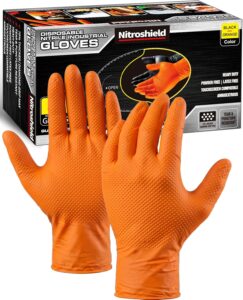
Protective gear and small inspection devices are part of an organized cleaning program. Always keep glove packs and disposables in easy reach; heavy-duty nitrile gloves handle solvents and reduce tear risk. Choose a dependable nitrile option such as wcy 9 Mil Heavy Duty Orange Nitrile Gloves for chemical-resistant, single-use protection.
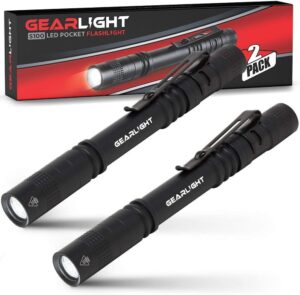
For inspection and small retrievals, maintain a bright pen light and a magnetic pickup. A compact inspection light like the GearLight S100 LED Pocket Pen Light helps with seat tracks and overhead bins, while a telescoping magnet tool prevents lost fasteners from becoming maintenance issues—consider tools such as the HORUSDY 4-PIECE Telescoping Magnetic Pickup Tools Set for retrieving dropped screws and clips during cleaning or restocking.
Stock odor control and cabin refresh supplies
Part of cleaning is leaving the cabin fresh. Keep a small, dedicated supply of odor-control products and mild deodorizers in the cabin kit so crews can quickly neutralize smells without overpowering passengers. A travel-ready spray or continuous spray system is useful; for a reliable solution, keep a bottle of OdoBan Aroma Eliminator, 360-Degree Continuous Spray on hand to treat problem areas during turnarounds.
Set up quick restock and audit routines
Make restocking simple: a single person should collect depleted items against the par list and return them to a central storeroom. Use a quick visual audit at shift end—check three critical items (gloves, wipes, odor control) and the kit bag condition. Schedule a more thorough inventory weekly with counts against par levels and reorder lead times noted. Mark damaged or expired chemicals immediately and remove them from active kits.
Checklist: daily and weekly tasks
- Daily: Verify gloves, wipes, and disinfectant levels; confirm pen light and magnet tool are present.
- Daily: Replace any single-use items and reseal open consumable containers.
- Weekly: Full inventory count versus par list; reorder low items.
- Weekly: Clean and dry storage bags and containers; check for leaks or contaminated supplies.
- Monthly: Update labels and refresh kit checklists; inspect protective gear for integrity.
Conclusion: make organization routine, not optional
Consistent organization reduces turnaround time, prevents supply shortages, and protects cabin hygiene. Use rugged storage, airtight containers for consumables, reliable labeling, role-based kits, and a simple audit rhythm. Small investments in tools—durable bags, label makers, gloves, lights, and pickup tools—pay off every flight with faster service and fewer surprises.
FAQ
Q: What’s the fastest way to stop supplies from going missing?
A: Assign a single owner for restocking, use labeled kits, and require a brief sign-off for kit checklists after each flight.
Q: How do I store cleaning chemicals safely on board?
A: Keep chemicals in their original, labeled containers inside sealed, secondary spill-proof totes or a wide-mouth tool bag that contains leaks and prevents mixing.
Q: How often should I replace disposable gloves and wipes?
A: Replace disposable gloves after any contact with bodily fluids or chemicals; restock wipes daily or after heavy use. Check expiration dates for disinfectant efficacy.
Q: Can small tools be stored in the same kit as cleaning supplies?
A: Yes if stored in separate compartments or pouches to prevent cross-contamination; use a durable tool bag with pockets to separate chemicals from tools.
Q: What tools reduce time spent searching for dropped fasteners?
A: A good pen light and a telescoping magnetic pickup allow quick location and retrieval of screws or clips without disassembling panels.
Q: How do I prevent odors between flights?
A: Include a neutral odor eliminator in your cabin kit, clean spills promptly, and air out mats and cushions when possible during longer ground times.
Products Featured in This Article
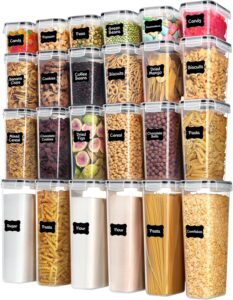
Airtight Food Storage Containers wi…
From the brand Vtopmart Organize Your Pantry With Style! Vtopmart is dedicated to creating a better…
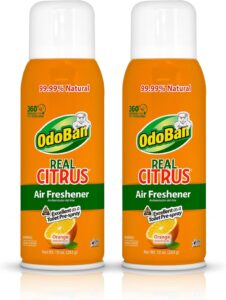
OdoBan Aroma Eliminator, 360-Degree…
The OdoBan ready-to-use 360-degree continuous air freshener helps eliminate harsh scents. This multi-pack contains 2 real…
WORKPRO 16-inch Wide Mouth Tool Bag…
From the brand Pink 66 Gallon Moving Bag Large Moving bag 6 Pack Extra Large Moving…
GearLight S100 LED Pocket Pen Light…
Product description Add to Cart Add to Cart Add to Cart Add to Cart Add to…
wcy 9 Mil Heavy Duty Orange Nitrile…
Product description 1 INDUSTRIAL 2 PROFESSIONAL 3 COOKING The video showcases the product in use.The video…
Brother P-Touch, PTD210, Easy-to-Us…
With the PT-D210, you can easily organize and personalize items you want around your home and…