
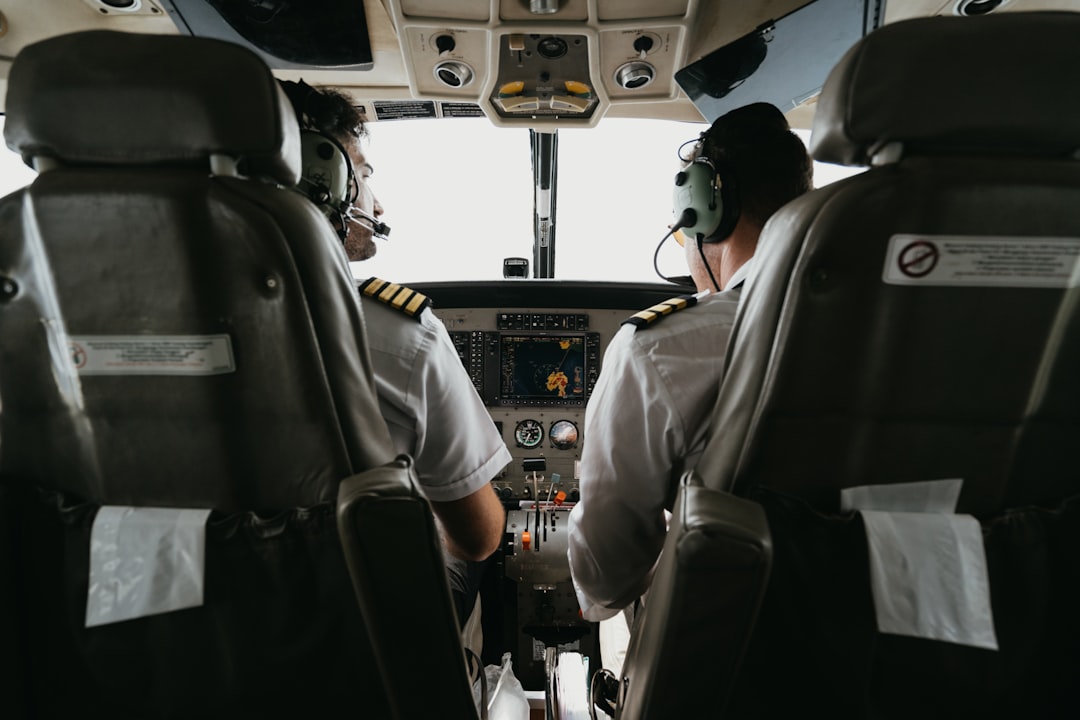
How to Maintain a Professional Look as Flight Crew
First impressions matter in aviation. Whether you’re a pilot, flight attendant, or part of a maintenance or ground crew, a consistently professional appearance builds trust with passengers, colleagues, and operators. Professionalism combines neat personal presentation, practical gear, and habits that keep you looking sharp under pressure.
This guide offers clear, practical steps you can apply every day—before reporting for duty, during shifts, and on layovers—to maintain a professional look that supports safety, efficiency, and guest confidence.
Uniform and Grooming: Basics that Last
A crisp uniform is the foundation. Keep uniforms laundered, pressed, and free of lint or stains. Invest in a compact garment bag or a portable steamer for short trips. Pay attention to small details: polished shoes, neatly tied scarves or ties, and functional name tags. For cabin crew, tidy hair and conservative makeup choices project competence and consistency without causing distraction.
Footwear and Grip: Look Professional, Move Safely
Clean, well-maintained shoes are essential. Scuffed or worn footwear looks unprofessional and can undermine confidence. Replace shoes when the sole or heel is compromised. For slippery ramps, stairs, or wet tarmacs, use anti-slip traction solutions that preserve your shoe’s appearance while improving safety—consider fitted Anti Slip Shoe Grips that are easy to deploy between flights.
Hands and Gloves: Practical Protection that Looks Right
Hands are visible and frequently in contact with passengers and equipment. Keep nails trimmed and hands moisturized to avoid dryness or cracking. For tasks that require protection or grip—baggage handling, galley work, or aircraft servicing—carry a clean pair of work gloves. Durable, professional options like Work Gloves for Aviation protect your hands while maintaining a neat appearance.
Rest and Recovery: The Foundation of Looking Fresh
Tiredness shows in posture, skin, and reactions. Prioritize sleep hygiene on layovers: dark, quiet environments and consistent schedules help. Pack travel aids to preserve rest quality—simple items like quality sleep masks can make a notable difference on irregular schedules. Keep a compact travel kit ready with items that promote restorative rest, such as a reliable Sleep Masks for Crew Travel.
Cabin Organization and Presentation
A clean, organized cabin reinforces the crew’s professional image. Use tidy storage solutions for passenger interactions and crew items to minimize clutter in view. Small items that keep the flight deck and service areas orderly—like dedicated organizers for seat pockets and crew stations—help you appear prepared and efficient. Consider compact, tidy organizers such as Airplane Seat Organizers to store essentials and keep visible areas neat.
Service Presentation: Consistency in Every Interaction
How food and beverages are presented reflects on the entire operation. Use uniform service items, avoid mismatched or worn pieces, and keep disposable supplies cleanly stored. Small changes—consistent cups, tidy trays, and neat beverage accessories—improve perceived quality. Stock items that present well and simplify service, for example compact Disposable Cups for Cabin Service and professional Beverage Service Accessories.
Emergency Preparedness and Visible Readiness
Professional crews are visibly prepared. Keep required safety items in good condition and accessible. Clean, labeled kits and visible safety equipment reassure passengers and inspectors alike. Maintain and inspect essential items regularly—carry serviceable first aid and emergency supplies like a properly stocked Aviation First Aid Kits and ensure they are sealed, complete, and easy to reach.
Attitude, Posture, and Behavior: The Invisible Uniform
A professional look isn’t only clothing—attitude and body language complete the picture. Stand tall, move deliberately, and speak clearly. Practice polite, confident passenger interactions and use calm tones during deviations. A composed demeanor complements your appearance and signals competence during routine and high-stress situations.
Small Gear, Big Impact
Carry a compact, well-maintained kit that supports appearance and performance. Useful items include lint rollers, a small sewing kit for quick repairs, polished shoe cloth, travel-sized lint-free wipes, mints or gum for fresh breath, and a pair of gloves reserved for public-facing tasks. Store these items in a neat case so they’re available without cluttering pockets or work areas.
Quick Checklist
- Uniform: Clean, pressed, complete set (including spare tie/scarf)
- Shoes: Polished, replaced when worn, anti-slip solution for ramps
- Hands: Trimmed nails, moisturized; carry work gloves
- Rest kit: Sleep mask and small amenity items for layovers
- Cabin: Use seat organizers and tidy storage for visible areas
- Service items: Uniform cups, trays, and beverage accessories
- Safety: Check and maintain first aid kits and emergency gear
- Behavior: Maintain posture, calm communication, and confidence
Conclusion
Maintaining a professional look as flight crew is the sum of visible details and dependable habits. Prioritize clean uniforms, functional footwear, protective gloves, good rest, organized cabins, consistent service presentation, and visible preparedness. Small investments in appropriate gear and daily rituals pay off in credibility, safety, and passenger experience.
FAQ
- How often should I replace uniforms or accessories?
Replace items when wear affects appearance or safety—frayed edges, faded colors, or compromised stitching. Keep a replacement timeline that aligns with airline standards and your duty cycle.
- What footwear should I choose for long shifts?
Choose supportive, polished shoes with non-marking soles. For slippery conditions, have anti-slip options available—easy-on grips that preserve your shoe’s professional look are ideal.
- Which items are essential for a carry-on professional kit?
Include a lint roller, shoe cloth, small sewing kit, sleep aids, spare tie/scarf, breath mints, and a designated pair of clean work gloves for public-facing tasks.
- How do I stay sharp during back-to-back flights?
Manage sleep between sectors, hydrate, eat balanced meals, and use short restorative routines—stretching, posture resets, and quick facial wipes—to refresh before public interactions.
- Is it OK to use disposable service items?
Yes—when chosen and presented consistently, disposable items can look professional and reduce cross-contamination risk. Keep them neatly stored and in uniform packaging.
- How should I handle quick uniform repairs on the road?
Carry a compact sewing kit and double-sided tape for hems. For larger issues, have a spare garment or accessory in your travel kit to swap in quickly.