
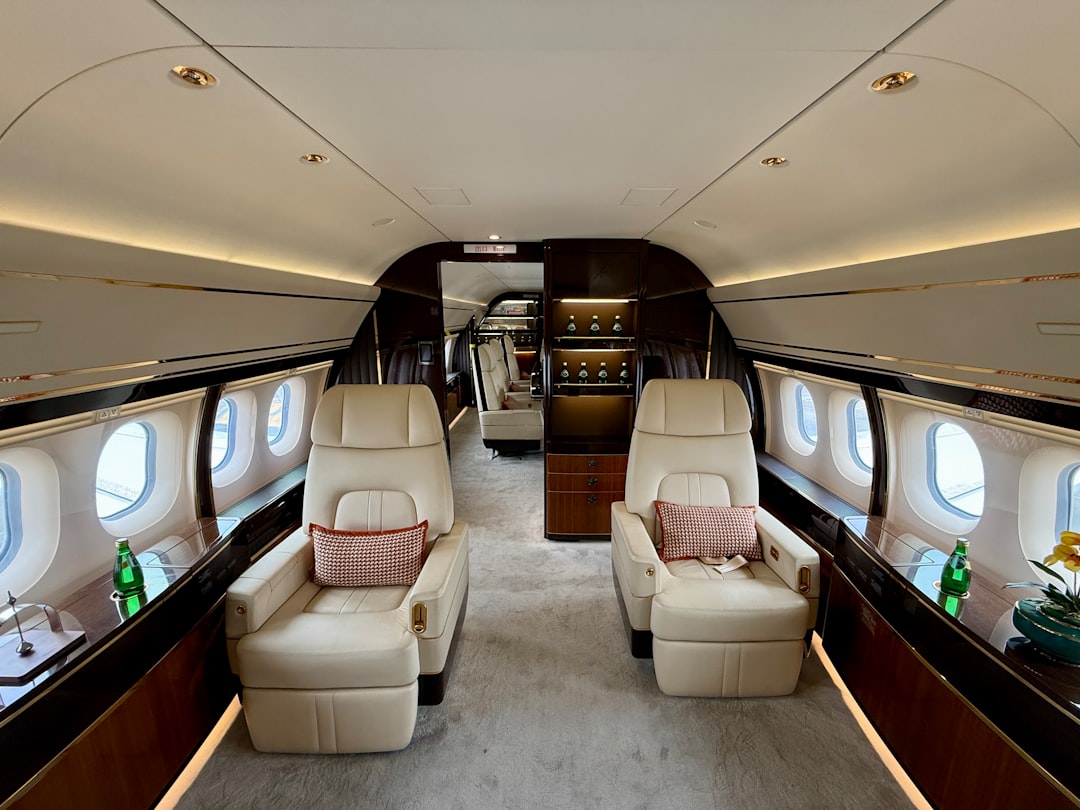
Private Jet Cabin Preparation Tips Before Passenger Boarding
Preparing a private jet cabin for passengers is a blend of precision, customer service, and safety. A consistent pre-boarding routine reduces errors, saves time, and elevates the passenger experience.
Below are practical, step-by-step tips crews and operators can use to ensure the cabin is clean, safe, stocked, and passenger-ready every flight.
Create a reliable pre-boarding routine
Define a timed checklist that starts 30–45 minutes before boarding and assigns clear roles: one crew member handles cabin cleaning, another stocks service items, and one inspects safety equipment. Use visual status cues—like a completed checklist or onboard tablet confirmation—to avoid missed tasks. For ramp and ground coordination, ensure crew wear high-visibility gear on the ramp to remain visible to ground vehicles and marshallers: Safety Vests for Aviation Crew.
Cleanliness and surface inspection
Start with a rapid but thorough surface check: tray tables, armrests, belt buckles, lavatory surfaces, and overhead bins. Use microfiber cloths and approved aviation disinfectants, paying attention to high-touch points. Replace any stained or damaged linens, and confirm trash receptacles are empty and odor-free. Restock single-use items and serviceware such as cups in hygienic packaging: Disposable Cups for Cabin Service.
Cabin safety and emergency equipment
Verify all emergency equipment is present, accessible, and within service dates. Check that life vests, flashlights, and oxygen masks are secured. Confirm the onboard first-aid kit is fully stocked and in the required location; replace missing items and update the inventory log: Aviation First Aid Kits.
Amenities and passenger comfort
First impressions matter: fold blankets neatly, plump pillows, and place hydration and amenity items where passengers expect them. Prepare amenity kits, update contents for special requests, and verify any temperature-sensitive items are stored properly. Standardized amenity kits make service repeatable and upscale: Travel Amenity Kits.
Seating, storage and organization
Inspect seat mechanisms, recline functions, and tray table latches for smooth operation. Ensure personal storage areas are clean and labeled if reserved. Use small organizers or pouches to keep reading materials, remote controls, and charging cables tidy and accessible: Airplane Seat Organizers.
Maintenance quick-checks and tools
Perform a short functional inspection of cabin systems: lighting, PSU (passenger service units), entertainment, and galley power. Verify the lavatory flush, water levels, and galley equipment secure properly for taxi. Keep handy tools for small in-cabin fixes—secure loose screws, pick up dropped fasteners, and retrieve metal parts from tight spaces with purpose-built tools like Magnetic Pickup Tools.
Slip, grip and crew footwear
Safe boarding and movement in the cabin start with crew footwear. Inspect soles for wear, and consider anti-slip solutions on shoes or steps to reduce fall risk during boarding, especially in wet conditions or when carrying trays: Anti Slip Shoe Grips.
Final walkthrough and contingency readiness
Complete a final walkthrough 10–15 minutes before boarding. Confirm temperature, lighting, and cabin scent are appropriate. Place a visible “ready” card or complete the digital checklist to signal readiness. Stow contingency items—extra blankets, a grabbing kit, and emergency thermal coverings—in case of delays or diversions; keep emergency blankets accessible: Emergency Blankets.
Small crew tips that save time
- Keep spare service items in a labeled, easy-reach galley compartment.
- Use pre-measured beverage carts or trays to speed service and limit spills.
- Assign one person to a quick exterior visual while another finalizes the cabin.
Pre-boarding checklist
- Cabin surface wipe-down and trash removal
- Verify safety equipment (first aid, life vests, flashlights)
- Stock amenities and disposables
- Check seats, latches, and in-flight entertainment
- Confirm crew PPE and ramp visibility gear
- Final scent/lights/temperature adjustment
- Complete and sign off the boarding readiness log
FAQ
- Q: How early should the pre-boarding routine start?
A: Start 30–45 minutes before the planned boarding time for a calm, complete process. - Q: What are the highest-risk items to check before passengers board?
A: Emergency equipment expiry and presence, seat mechanisms, tray latches, and any unsecured galley items. - Q: How do you handle special passenger requests at short notice?
A: Maintain a small kit of common items (pillows, blankets, amenity extras) and confirm availability during the checklist so the designated crew member can respond quickly. - Q: Should small maintenance tools be kept onboard?
A: Yes—compact tools like magnetic pickup tools for retrieving hardware and basic screwdrivers for tightening small fasteners are recommended. - Q: How do crews minimize odors and keep the cabin fresh?
A: Use neutral, aviation-safe cleaning products, ventilate between flights when possible, and store waste in sealed containers until disposal.
Conclusion
Consistency and role clarity are the two strongest levers for efficient, safe cabin preparation. Use a timed checklist, keep emergency and comfort items stocked and accessible, and perform a final walkthrough before boarding. A disciplined pre-boarding routine ensures passengers board with confidence and the flight departs on schedule.