Aircraft Interior Cleaning Tips for a Fresh Cabin Experience
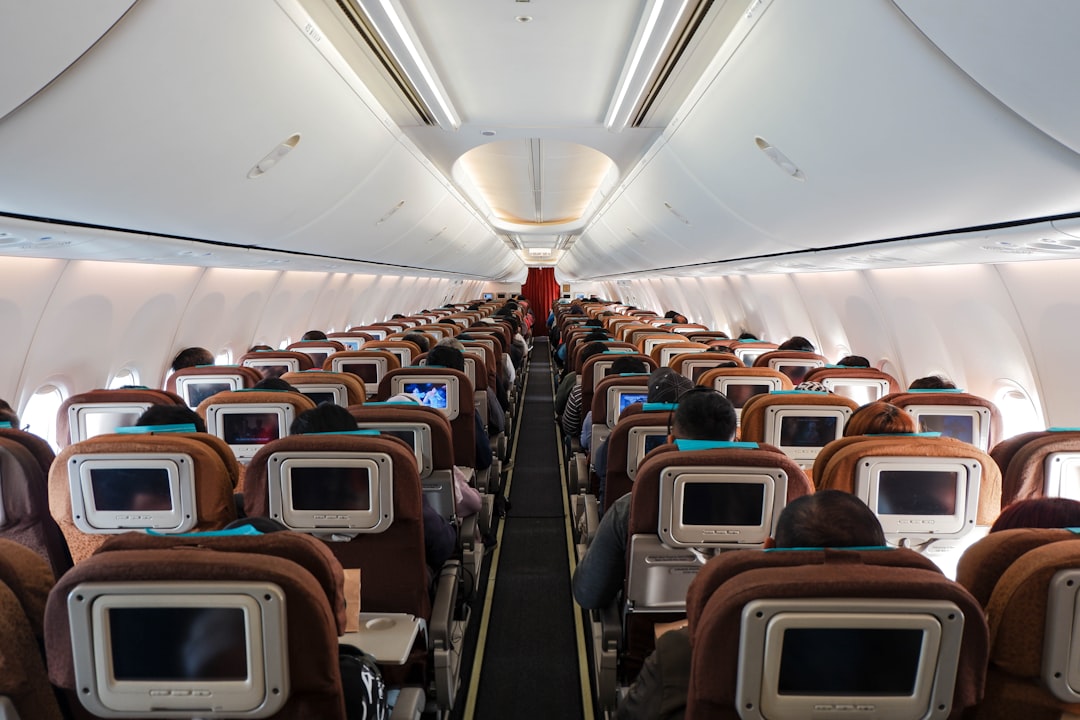
A clean cabin is more than aesthetics — it improves passenger comfort, reduces wear, and helps prevent pests and lingering odors that can damage interiors over time. For business aviation operators and crews, the goal is a consistent, efficient process that keeps the cabin ready for flight with minimal downtime.
This guide delivers practical, step-by-step tips and product-focused recommendations to help you establish repeatable cleaning routines, maintain upholstery and surfaces, and manage service supplies for a fresh cabin experience every flight.
Build a Compact Cabin Cleaning Kit
Create a portable kit with the essentials so any crew member can perform a quick turnover. Include microfiber cloths, a mild upholstery cleaner, disposable wipes, a compact duster, trash bags, and spare amenity items so the cabin always feels complete. Consider storing small replenishment packs and single-use items in a standard amenity kit container to simplify resupply — for example, a selection of preassembled Travel Amenity Kits makes it easy to replace guest essentials without rummaging through multiple boxes.
Quick-Turn Cleaning for Service Items
When time is limited between legs, focus on visible surfaces, trash removal, and sanitary replacement of service items. Replace used cups and liners, wipe high-touch areas, and reset service trays. Stocking approved disposable options speeds turnover and reduces the need for washing onboard: choose sturdy, leakage-resistant options such as those found in the Disposable Cups for Cabin Service category so crews can swap out items quickly and keep a tidy galley.
Stain Removal and Upholstery Care
Address spills fast to prevent staining. Blot liquids immediately with absorbent towels — never rub — then apply a manufacturer-approved cleaner to a test spot before treating the whole area. For leather, use pH-balanced products and a soft brush for seams; for fabrics, use a spray cleaner and a low-speed upholstery brush followed by thorough drying. Protect hands and maintain grip while cleaning by equipping your crew with durable gloves — keep a supply from the Work Gloves for Aviation category to reduce contamination and protect finishes.
Tackle Odors and Improve Air Quality
Odors are one of the fastest ways a cabin can feel unclean. Routine vacuuming and spot cleaning remove most sources, but periodic use of an effective odor control product helps maintain a neutral, fresh-smelling cabin. Select an aviation-safe neutralizer that targets organic odors without leaving heavy perfumes; continuous spray or compact aerosol eliminators can be used in between flights to manage persistent smells — for example, consider a targeted product like OdoBan Aroma Eliminator for rapid odor control in lavatories and galley areas.
Organize for Cleanliness: Reduce Clutter, Improve Access
Clutter traps crumbs and dust. Use purpose-built organizers to keep personal items and service tools secure and easy to clean. Seatback pockets, aisle-side storage, and galley bins should be sorted so each item has a home — this reduces lost items and simplifies cleaning checks. Integrating slim, aviation-friendly organizers can make routine wipe-downs faster and prevent items from migrating into hard-to-reach areas; review options such as Airplane Seat Organizers to standardize storage on flights.
Food Service and Storage Best Practices
Food is a frequent source of stains, crumbs, and odors. Keep snacks contained, seal leftover items, and clean service areas immediately after use. Use airtight containers for multi-leg trips or for storing crew snacks — they reduce spillage risks and help keep the cabin smelling clean. Investing in compact, stackable solutions like Snack Storage Containers streamlines onboard food management. Also, standardize beverage gear and accessories for secure service and easier cleaning by stocking items from the Beverage Service Accessories selection, so crews have spill-resistant tools designed for aviation use.
Tools and Lighting for Deep Cleaning and Inspections
Deep cleaning and pre-flight cabin inspections require good visibility in tight spaces. A compact, bright inspection light lets crews spot crumbs, hair, and small debris under seats and in overhead bins. Keep at least one bright, pocket-sized flashlight in the kit for quick checks and to inspect cabin hardware after cleaning; a reliable option is the GearLight S100 LED Pocket Pen Light, which fits easily in a service kit and provides focused illumination for detail work.
Implement a Cleaning Schedule and Log
Standardize who cleans what and when with a short checklist and a simple log. A post-flight checklist ensures nothing is missed during quick turns; a weekly deeper-clean slot covers upholstery, vents, and storage bays. Assign responsibilities, document completed tasks, and rotate deep-clean duties to prevent backlogs. Keeping a small log or digital note reduces oversights and helps with supply ordering and maintenance coordination.
Quick Cabin Cleaning Checklist
- Remove trash and replace liners; check galley and lavatory.
- Replace used disposable service items and restock amenity packs.
- Wipe high-touch surfaces (armrests, tray tables, seat controls).
- Spot-clean spills and blot stains immediately.
- Vacuum floors and under seats; inspect with a bright pen light.
- Use odor eliminator in lav and galley; air out cabin if possible.
- Secure loose items in seat organizers and storage containers.
- Log completion and note supplies that need replenishment.
Conclusion — Practical Takeaway
Consistency is the key to a fresh cabin. Equip crews with a compact kit, standardized supplies, and a short checklist to make quick-turn cleanings effective and repeatable. Small investments in proper containers, disposables, odor control, and lighting pay off with faster turnovers, improved passenger perception, and longer-lasting interiors.
FAQ
-
How often should I deep-clean the cabin?
Perform a full deep clean (upholstery shampoo, vent cleaning, comprehensive inspection) every 30–90 days depending on utilization; weekly spot checks and after any soiled flight are recommended.
-
Which areas are most important during a quick turnaround?
Prioritize trash removal, lavatory sanitation, galley surfaces, high-touch contact points, and under-seat debris.
-
Can I use household cleaners onboard?
Only use products approved by the aircraft manufacturer or interior supplier to avoid damaging materials; select aviation-compatible options and test in an inconspicuous area first.
-
How do I control odors between flights?
Remove the source, clean affected surfaces, and use a neutralizing product in lavatories and galley areas; continuous or short-burst odor eliminators work well for persistent issues.
-
What supplies should every crew carry for cleaning?
Microfiber cloths, multi-surface cleaner, disposable wipes, absorbent towels, trash bags, gloves, a bright pen light, and a small kit of spare amenity items for passenger comfort.
Products Featured in This Article
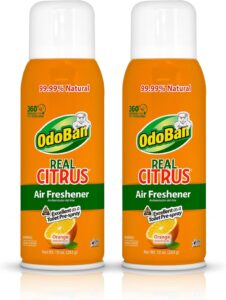
OdoBan Aroma Eliminator, 360-Degree…
The OdoBan ready-to-use 360-degree continuous air freshener helps eliminate harsh scents. This multi-pack contains 2 real…
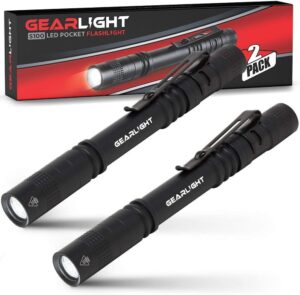
GearLight S100 LED Pocket Pen Light…
Product description Add to Cart Add to Cart Add to Cart Add to Cart Add to…