
Cabin Crew Grooming and Presentation Tips for Professional Travel
Cabin crew presentation is the frontline of professional travel. A polished, consistent appearance builds passenger confidence, supports brand identity, and helps crew perform under pressure.
This guide offers practical, no-nonsense tips for uniforms, grooming routines, in-flight service presentation, and on-the-job preparedness so crews look and act the part from briefing to disembarkation.
Uniform, Fit and Maintenance
A sharp uniform starts with fit. Ensure jackets, skirts, trousers and shirts are tailored to move without pulling or bunching. Keep spares for common issues—missing buttons, loose threads, or zip failures—and perform a weekly inspection of all uniform pieces.
Footwear is critical: polished shoes are non-negotiable, but traction and safety matter too. Consider integrating non-invasive traction aids to reduce slips and trips during wet ramp or aisle work like Anti Slip Shoe Grips for improved stability without sacrificing appearance.
Personal Grooming Essentials
Create a compact grooming kit for pre-flight touch-ups and duty breaks: travel-size deodorant, stain remover wipes, lint roller, clear nail file, and a small sewing kit. Keep these items in a labelled pouch so they’re easy to access during quick turnarounds.
For liquids and shampoos that must meet TSA rules or be stored neatly in cabins, pack them in discreet, durable containers like the 20 Pack Travel Bottles for Toiletries. They’re useful for on-base travel and for keeping a consistent kit between flights.
Hair, Makeup and Nails: Practical Standards
Establish a simple, conservative look policy that reflects the airline’s brand while being achievable in short timeframes. Style hair so it stays secure during service—low buns, braids, or clipped styles work well. Minimal, long-wear makeup reduces mid-flight touch-ups and frontal shine under cabin lighting.
Nails should be short, clean and neutral in color to present professionalism and avoid snagging fabrics or safety equipment. Carry a clear topcoat for fast fixes and a small file in your personal kit.
Skin, Fragrance and Cleanliness
Good skin care reduces visible fatigue. Use a lightweight moisturizer with SPF for daytime flights and an alcohol-free hand sanitizer to protect skin from frequent use. For cabin scent control and passenger comfort, keep a neutral, hypoallergenic fragrance policy—avoid strong perfumes on duty.
For cabin freshness and to manage lingering odors rapidly between sectors, keep a supply of a reliable odor-control product like OdoBan Aroma Eliminator, 360-Degree available in service carts or catering kits where appropriate and allowed by company policy.
Onboard Service Presentation
Presentation of food and beverages reflects on the crew as much as the airline. Standardize table setups, napkin folds and plating techniques so they look consistent and deliberate even during busy service.
Use disposable serviceware that looks clean and professional; select quality items that maintain form during service. For example, choosing appropriate items like Disposable Cups for Cabin Service ensures neat beverage service and reduces spills when moving through narrow aisles.
Food Safety, Storage and Beverage Handling
Always follow company food-safety protocols: use gloves when handling open food, store perishable items at correct temperatures, and rotate stocks to avoid expired items on board. Trays should be organized to minimize handling and cross-contamination.
Equip service trolleys with the right tools for efficient pouring and hot beverage delivery. Invest in durable service tools and supplies from a trusted category like Beverage Service Accessories so drinks are presented safely and attractively.
Amenity Kits, Passenger Interaction and Small Details
Well-curated amenity kits add a premium touch and support passenger comfort. Kits should include essentials (earplugs, eye masks, wipes) and be presented consistently. Bulk amenity options and ready-to-go sets help crews focus on service rather than assembly.
Stock up on organized options like Travel Amenity Kits to streamline distribution and maintain a polished look when handing items to passengers.
Safety, Hygiene and Emergency Preparedness
Presentation also includes being prepared. A neat, well-organized safety kit communicates competence. Keep first aid supplies checked and accessible in line with company procedures and local regulations—know locations and contents by memory for rapid access.
Ensure the cabin is stocked with required supplies including items from reliable suppliers in categories such as Aviation First Aid Kits. Regularly audit kits to replace expired items and re-seal packs after use.
Irregular Operations: Maintaining Professionalism Under Pressure
During delays, diversions or emergency situations passengers judge crew by composure and resourcefulness. Keep a compact contingency pack with high-visibility items, basic comfort extras and thermal items for cold waits.
When passengers require extra warmth or when operations extend on the ground, having standard-issue items such as Emergency Blankets aboard and knowing how to distribute them efficiently helps maintain a calm, professional environment.
Checklist: Daily Grooming and Presentation Tasks
- Uniform inspection: buttons, seams, hem, name badge, shoes polished.
- Compact grooming kit check: deodorant, travel bottles, lint roller, sewing items.
- Personal hygiene: trimmed nails, secure hair, neutral makeup.
- Service readiness: stocked beverage accessories and disposable serviceware.
- Safety check: first aid kit, emergency blankets, and safety brief items present.
- Cabin presentation: tidy galley, organized amenity kits, neutral cabin scent.
- Physical readiness: comfortable, non-slip footwear and rest before duty.
FAQ
- Q: How much time should I allow for pre-flight grooming?
A: Aim for 15–20 minutes for full uniform/outfit checks and a basic grooming routine; keep a pared-down kit for quick touch-ups between sectors. - Q: Are scented products allowed on duty?
A: Use only light, hypoallergenic scents per company policy—many carriers prohibit heavy perfumes in the cabin to avoid passenger reactions. - Q: What are essentials to carry in a compact crew kit?
A: Travel bottles with toiletries, hand sanitizer, stain remover wipes, sewing kit, lint roller, nail file, and a small mirror. - Q: How should damaged uniform items be handled mid-trip?
A: Carry emergency repair supplies for quick fixes; report and log damage per company procedure and arrange replacement at the next layover. - Q: How can I keep service presentation consistent during busy flights?
A: Use standardized trays, pre-packed amenity kits, and clearly defined roles during service to reduce variability and maintain quality.
Conclusion
Polished grooming and thoughtful presentation are repeatable skills: standardize routines, keep a compact kit, and use quality onboard supplies so crew can project confidence and professionalism every sector. Small investments in equipment and preparation yield smoother service and higher passenger satisfaction.
Products Featured in This Article
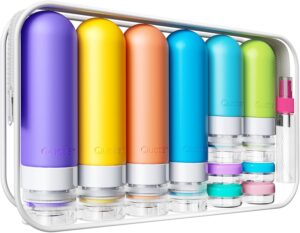
20 Pack Travel Bottles for Toiletri…
From the brand Travel Bottles for Toiletries 4 Pack Travel Bottles 15 Pack Travel Bottles Essential…
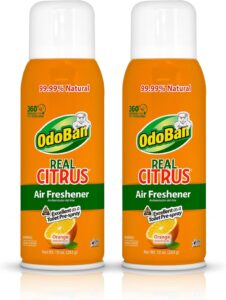
OdoBan Aroma Eliminator, 360-Degree…
The OdoBan ready-to-use 360-degree continuous air freshener helps eliminate harsh scents. This multi-pack contains 2 real…