
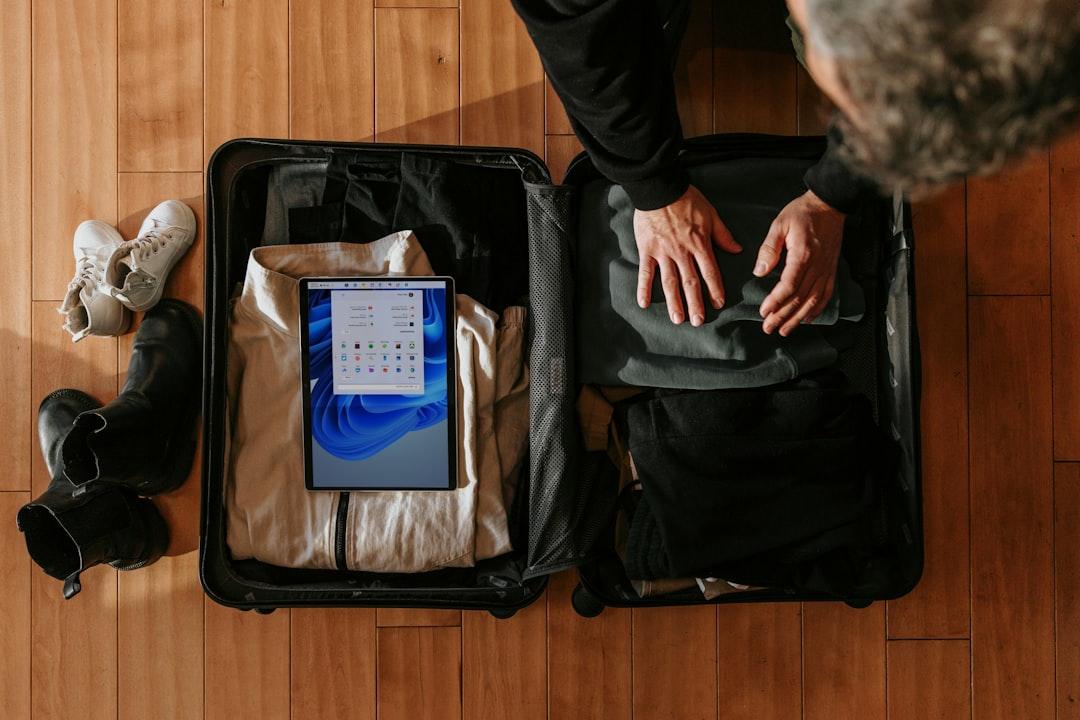
Flight Crew Packing Checklist for Long Duty Days
Long duty days test preparation, comfort and the smallest details. Whether you’re a corporate pilot, flight attendant, or dual-role crewmember, a packing system that covers safety, rest, documentation and quick contingencies keeps operations smooth and reduces fatigue.
This checklist focuses on practical items and placement—what to carry on your person, what goes in the flight bag, and what lives in the cockpit or crew kit. Use it to standardize your routine and make long shifts more predictable.
1. Organize your primary flight bag
Your flight bag is the hub for documents, headsets and quick tools. Use one compartment for flight paperwork and another for electronics and spare power. Consider a purpose-built option like Pilot Flight Bags—they’re sized for charts, tablets and a small toolkit, with easy-access pockets for passports and licenses.
2. Clothing, footwear and layering
Comfort and mobility matter: breathable base layers, a light jacket for cabin temperature swings, and non-restrictive uniforms. For footwear, choose closed, comfortable shoes with good support—flight attendants and cockpit crew alike rely on professional footwear. If you’re part of the cabin team, review options like Flight Attendant Shoes to balance comfort and presentation.
For operations in wet or icy conditions, pack traction aids. Slip-resistance helps when boarding apron aircraft or walking ramps: consider Anti Slip Shoe Grips to reduce the chance of sprains.
3. Cockpit essentials and quick-access tools
At minimum carry: headset, kneeboard, spare batteries, a reliable pen light and a small multi-tool. A dedicated flashlight is critical for post-sundown checks or cockpit troubleshooting—choose a durable model from the Cockpit Flashlights category and keep fresh batteries in the bag.
For redundancy, keep an additional portable light where your crew bag lives: cheap to carry, invaluable in sudden low-light situations. A backup from the Emergency Flashlights selection is a smart redundancy strategy.
4. Safety and survival items
Long duty days increase the chance of an off-station overnight. Your crew kit should include an aviation-grade first aid pack and a survival layer. Compact, well-stocked Aviation First Aid Kits are designed for common inflight and ramp incidents and should be checked regularly for expired items.
Emergency thermal protection is light and low-bulk: pack at least one Emergency Blankets for overnight survival kits or diversion scenarios. They’re compact, inexpensive and valuable when operating in remote or cold locations.
5. Electronics, charging and redundancy
Prioritize power management: a high-capacity power bank, USB cables, and adapters for in-aircraft outlets. Keep a dedicated pouch for spare batteries (label them) and a small surge-protected charger for hotel rooms. Keep one device dedicated to charts and checklists, and back it up with printed copies for critical items such as alternates, minimums and approach plates.
Store small items—cable ties, spare fuses, and labeled power cords—in clear zip pouches so they’re visible during quick searches.
6. Nutrition, hydration and rest aids
Food and hydration are operational. Pack high-protein, shelf-stable snacks and electrolyte tablets to maintain focus during night legs or long duty cycles. A lightweight, insulated bottle helps keep beverages at the right temperature through long duty days.
When you’re required to rest between sectors, bring compact sleep aids that don’t impair alertness later: a comfortable eye mask, foam earplugs and a small travel pillow. If you’re exposed to noisy ramps or prolonged engine runs during repositioning, consider hearing protection designed for aviation environments—look at Hearing Protection for Ground Crew for options that attenuate harmful noise while preserving situational awareness.
7. Tools, maintenance basics and small fixes
Carry a compact toolkit for minor discrepancies you’re authorized to address: a small set of screwdrivers, safety wire pliers if required, and a magnetic pickup for dropped fasteners. Keep those items in a labeled kit and check them routinely. Even if you don’t perform maintenance, having a few emergency-use tools reduces delays and supports safe handovers to maintenance.
Quick Crew Pack Checklist
- Flight bag with organized compartments (Pilot Flight Bags)
- Uniform, layers, and comfortable shoes (Flight Attendant Shoes)
- Traction aids: Anti Slip Shoe Grips
- Primary and backup flashlights (Cockpit Flashlights, Emergency Flashlights)
- Aviation first aid: Aviation First Aid Kits
- Emergency blanket: Emergency Blankets
- Power bank, spare cables, adapters
- Food, water bottle, rest aids and ear protection (Hearing Protection for Ground Crew)
- Small tool kit and documentation pouch
Packing tips and rotation schedule
Rotate consumables weekly: replace spare batteries, check first aid expiration dates, swap out snacks, and launder bedding/liners. Keep one “ready” bag stocked for unexpected duties and a secondary “hotel” bag with toiletries and sleep aids. Use clear pouches and label everything—time saved locating permits and IDs directly reduces crew workload.
Checklist for pre-shift inspection
Before you leave base, run a quick 5-minute check: IDs and licenses, currency items, headset operational, chargers and power bank charged, flashlight functional, first aid present, and shoes clean and non-slip. Make this a habit to avoid last-minute scrambling that affects performance on long duty days.
FAQ
- What three items are most important for long duty days?
Reliable flight bag, hydration/snacks, and a functional flashlight. - How often should I check my first aid kit?
Monthly for supplies and expiration; before extended trips always do a quick audit of critical items. - Should I carry two flashlights?
Yes—one in your flight bag and one in the cockpit or crew kit for redundancy; use category-specific models such as Cockpit Flashlights and Emergency Flashlights. - What about footwear for wet ramps?
Non-slip, closed shoes plus removable traction aids like Anti Slip Shoe Grips are recommended. - Can I pack emergency blankets in carry-on bags?
Yes—emergency blankets are compact, allowed in carry-on, and recommended for diversion kits (Emergency Blankets).
Conclusion
A reliable packing routine turns long duty days into predictable shifts. Prioritize safety items (first aid, flashlights, thermal protection), maintain redundancy for critical gear, and standardize a pre-shift check. Small investments—proper flight bags, non-slip footwear and hearing protection—pay off in fewer distractions and a safer, more comfortable day on the job.